
Dovyalis abyssinica
Dovyalis abyssinica
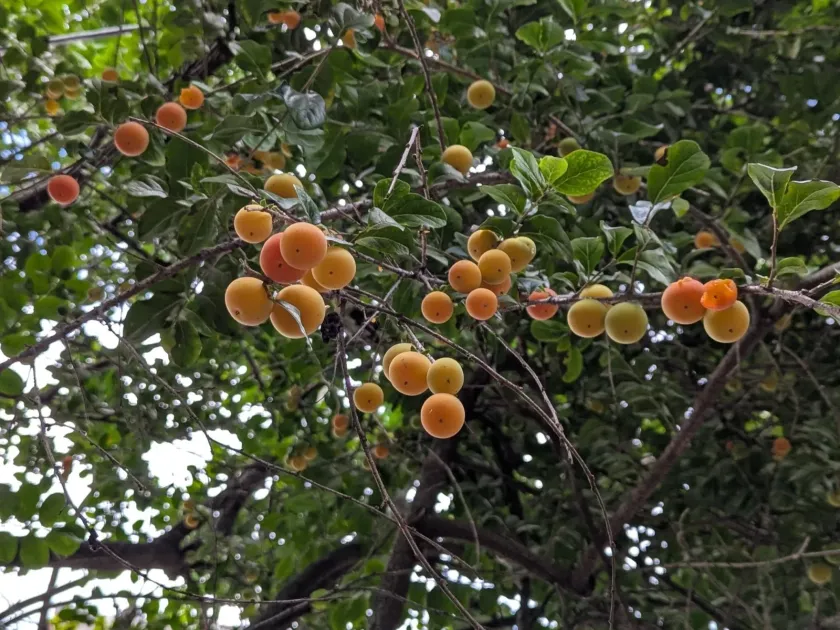
Description
Sowing dates
Propagation of Dovyalis abyssinica is primarily achieved through seeds, which should be planted in well-draining, nutrient-rich potting soil immediately after extraction.
The ideal time for sowing is during the early spring months, ensuring that the seedlings have ample time to establish their root system before the hottest part of the year.
Seeds benefit from a 24-hour soaking period in room-temperature water, which helps to soften the seed coat and significantly improve the overall germination rate.
Maintaining a consistent temperature between 22 and 26 degrees Celsius is critical for successful germination, often requiring the use of a greenhouse or heating mat.
Seedlings should be kept in partial shade during their first growing season to prevent leaf scorch and to encourage steady, vigorous vertical growth.
Growing requirements
Dovyalis abyssinica belongs to the Salicaceae family and is an evergreen shrub or small tree often utilized for defensive hedging due to its formidable thorns.
The plant thrives in full sun but demonstrates impressive adaptability by tolerating partial shade, provided it still receives sufficient light for photosynthesis.
Soil requirements are relatively flexible, though the plant performs optimally in deep, loamy soils that possess a slightly acidic to neutral pH level.
Excellent drainage is a non-negotiable requirement for this species, as stagnant water around the root zone can lead to rapid decline and plant death.
While mature plants exhibit a high level of drought tolerance, regular irrigation is essential during the flowering and fruit-set stages to ensure a bountiful harvest.
Yield
Under favorable growing conditions, the plant typically reaches reproductive maturity within three to four years, producing clusters of succulent, orange-yellow fruits.
The fruit possesses a tangy, acidic flavor profile, making it a popular ingredient for jams, preserves, and various culinary preparations in tropical regions.
Yield capacity is largely determined by the success of pollination; therefore, maintaining a healthy population of local pollinator insects is highly beneficial.
Harvesting usually occurs over several weeks because the fruits do not ripen simultaneously, requiring consistent monitoring to capture the peak flavor period.
Beyond human consumption, the tree provides a secondary benefit by acting as a living fence, protecting crops or garden boundaries from intrusion.
Main diseases and pests
Dovyalis abyssinica is generally a robust plant, yet it can be susceptible to common sap-sucking pests such as aphids and scale insects during periods of stress.
Leaf spot diseases may occur in environments with high humidity and poor air circulation, necessitating strategic pruning to open the tree canopy.
Root rot is the most serious threat, usually resulting from over-irrigation or planting in heavy, clay-based soils that do not allow for adequate water movement.
Integrated pest management, including the introduction of beneficial insects like ladybugs, can effectively control most pest outbreaks without relying on harsh chemicals.
Maintaining tree vigor through balanced fertilization and proper irrigation is the most effective defense strategy against potential biological threats.
Harvesting
Manual harvesting is the standard method for collecting the fruits, as they are fragile and susceptible to bruising during mechanical handling or automated picking.
Care must be taken during the harvest process to avoid the plant's sharp, rigid spines, which can cause significant injury to the hands and arms of the harvester.
Fruits should be picked once they reach a deep, uniform color and show a slight give when gentle pressure is applied to the skin.
Immediately after collection, the produce should be placed in shallow crates to prevent crushing and stored in a cool area to preserve its quality for processing.
If the fruit is intended for fresh market sale, it should be processed and chilled quickly to avoid post-harvest dehydration and enzymatic breakdown.