
Azara uruguayensis
Azara uruguayensis
Description
Growing requirements
Azara uruguayensis is a distinct evergreen shrub belonging to the Salicaceae family. Native to South America, specifically Uruguay, Argentina, and Brazil, it thrives in environments characterized by mild temperatures and consistent moisture levels common in its indigenous forest habitats.
The climate requirements for this species focus on avoiding extreme frost and harsh winds. While it is relatively adaptable, it performs best in sheltered spots where the microclimate provides protection from freezing temperatures, making it suitable for temperate coastal regions or specialized garden environments.
Regarding soil, this plant prefers fertile, well-draining media that remain moist but never waterlogged. Incorporating organic matter into the planting site improves soil structure and nutrient availability, which supports the dense foliage development characteristic of the species.
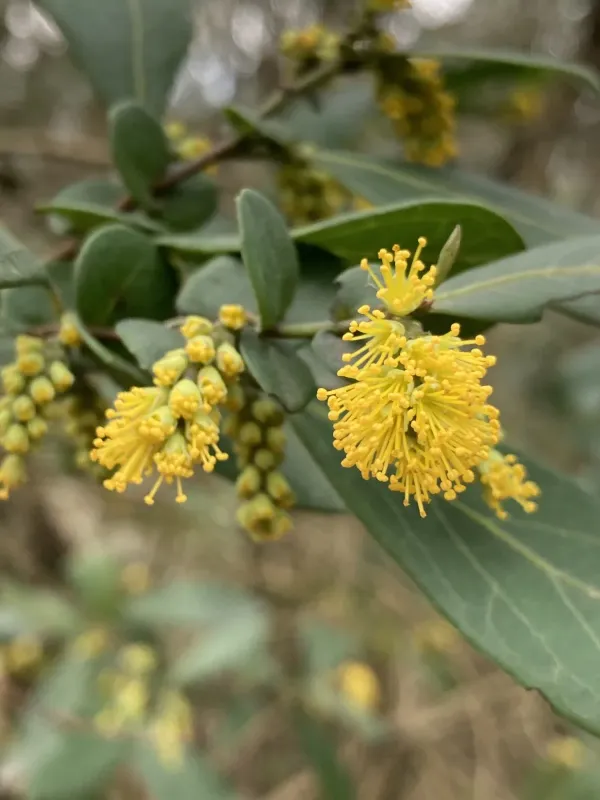
Botanically, Azara uruguayensis is noted for its small, lustrous, dark green leaves and unique flowering structure. Its flowers lack traditional petals, instead showcasing conspicuous, fragrant yellow stamens that bloom in clusters, providing a delicate yet distinct ornamental appeal.
The horticultural utility of this shrub is primarily concentrated in landscape architecture. It is an excellent choice for ornamental hedging, screening, or as a specimen plant, appreciated for its evergreen persistence and the sweet, vanilla-like fragrance released during the flowering season.
Main diseases and pests
The primary threats to Azara uruguayensis include fungal pathogens such as root rot, which are often the result of poor drainage or overwatering. Proper site preparation and the avoidance of compacted soil are essential for maintaining a healthy root system.
Pests such as aphids and scale insects occasionally infest the plant, particularly when it is grown under stress. Early identification and the use of integrated pest management practices are recommended to ensure the plant remains vigorous and free from significant structural damage.