
Azara petiolaris
Azara petiolaris
Description
Growing requirements
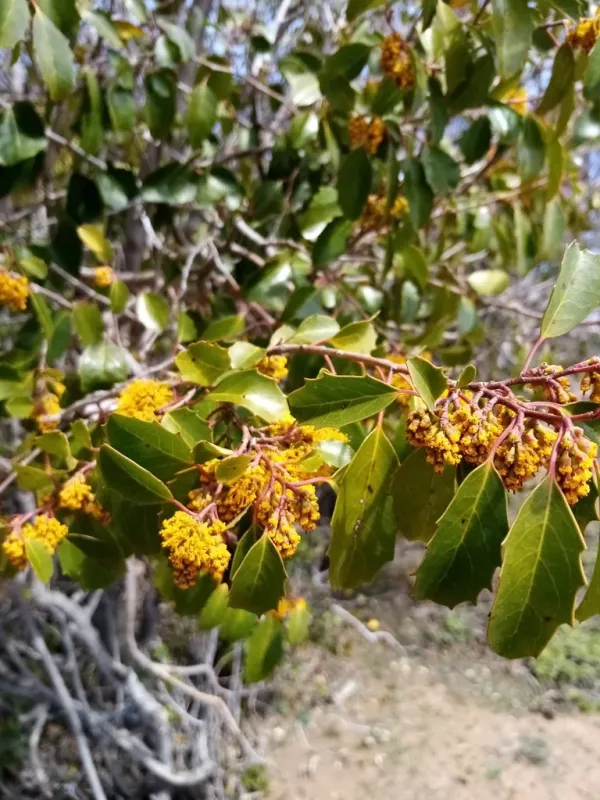
Azara petiolaris is an evergreen shrub belonging to the Salicaceae family. Native to the central regions of Chile, this plant is well-known for its glossy, dark green foliage and its unique, aromatic inflorescences that appear during the spring season.
In terms of cultivation, this species thrives in climates that mimic its native Mediterranean-like environment. It requires protection from harsh, drying winds and extreme frost, making it ideal for mild coastal regions or controlled indoor environments like conservatories.
The plant performs best in fertile, well-draining soil that is rich in organic matter. A slightly acidic to neutral soil pH is preferred to ensure optimal nutrient uptake. Proper drainage is essential to prevent waterlogging, which the root system is highly sensitive to.
Light requirements for Azara petiolaris are best met in partial shade or dappled sunlight. While it can tolerate some morning sun, full exposure during the peak of summer heat can cause leaf scorch, particularly if the humidity levels are not adequately maintained.
Agrotechnical maintenance includes consistent moisture management throughout the growing season. Mulching the base of the shrub helps to retain soil moisture, suppress weed growth, and protect roots from sudden temperature fluctuations during the transition seasons.
Main diseases and pests
Root rot is the most significant threat to Azara petiolaris, primarily caused by excessive soil moisture and poor drainage. This fungal condition can be lethal, as it destroys the root system, preventing the shrub from absorbing necessary water and nutrients.
Pest issues often include spider mites and scale insects, which are particularly prevalent in dry, stagnant air. These pests can weaken the plant by feeding on sap, leading to stunted growth and the yellowing or premature shedding of the leaves.
Aphids may occasionally infest young, tender shoots during the spring growth flush. Although generally not fatal, large aphid colonies can cause leaf curling and attract sooty mold, which detracts from the plant's aesthetic value and overall health.
Winter injury poses a risk in regions with unpredictable freezing temperatures. Damaged tissues may become susceptible to secondary infections, requiring prompt pruning of dead branches to prevent the spread of decay or pathogens into the healthy wood.
Integrated pest management strategies are recommended, focusing on maintaining good plant vigor through proper nutrition and hydration. Early detection of pests through regular monitoring allows for the use of gentle treatments, such as horticultural oils or insecticidal soaps.