
Azara microphylla
Azara microphylla
Description
Growing requirements
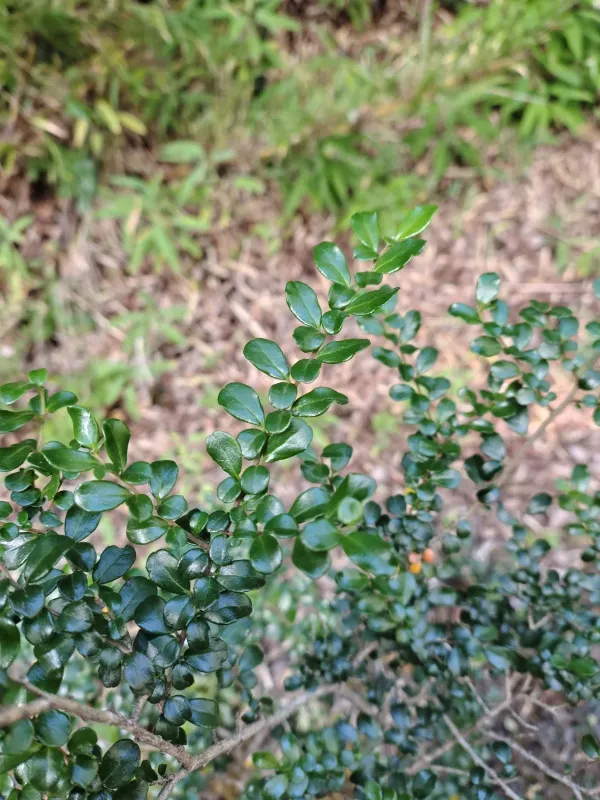
Azara microphylla, commonly known as boxleaf azara, is an elegant evergreen shrub or small tree belonging to the Salicaceae family. Originating from the temperate forests of Chile and Argentina, it is widely recognized for its unique fan-like branch structure and small, lustrous leaves that provide a distinct aesthetic appeal.
Successful cultivation requires well-draining, humus-rich soil that maintains moisture without becoming waterlogged. While it is adaptable to various soil types, providing a neutral to slightly acidic pH is ideal for ensuring optimal nutrient uptake and overall plant vigor.
The plant thrives in sheltered locations that offer protection from harsh, drying winds and excessive winter cold. While it can tolerate full sun in cooler coastal climates, partial shade is preferred in hotter regions to prevent leaf scorching and to preserve the deep green coloration of its foliage.
Good horticultural practice for this species includes regular watering during the establishment phase and annual mulching to protect root systems. Minimal pruning is required, usually performed after flowering, to maintain the desired structural shape and encourage new growth within the dense canopy.
In landscaping, this species is highly valued for its aromatic yellow flowers that bloom in late winter or early spring, releasing a pleasant scent often compared to vanilla or chocolate. It is frequently used in walled gardens, as a wall-trained shrub, or as an ornamental centerpiece in sheltered garden designs.
Main diseases and pests
The primary horticultural challenge for Azara microphylla is the susceptibility to root rot, especially in heavy or poorly drained soils. Preventing soil compaction and ensuring proper drainage are the most effective strategies for maintaining long-term plant health.
Common pests include aphids and scale insects, which can colonize the underside of the leaves or young stems. Early detection and the application of horticultural oils or approved systemic insecticides are recommended to manage pest populations effectively and prevent significant damage.