
Azara lanceolata
Azara lanceolata
Description
Growing requirements
Azara lanceolata, commonly known as the lanceleaf azara, is an evergreen shrub belonging to the Salicaceae family. It is native to the temperate forest regions of Chile and Argentina, where it thrives in cool and humid environments.
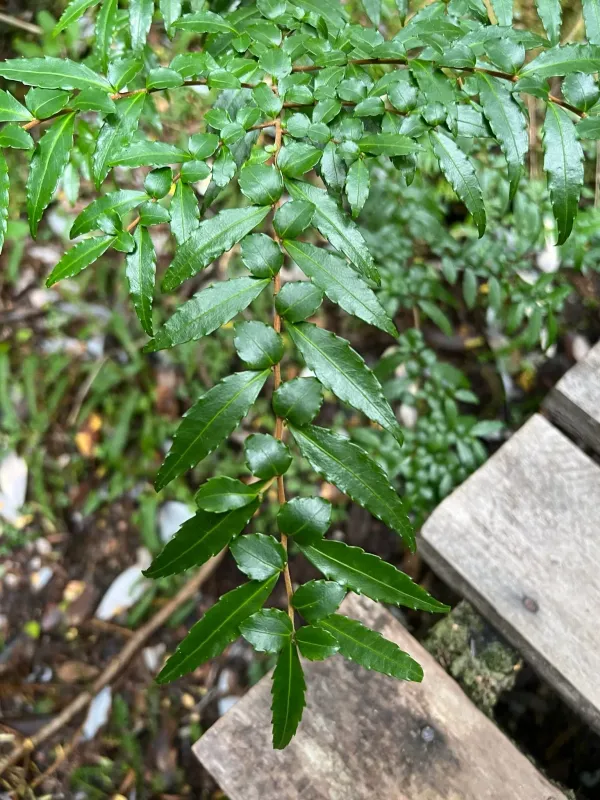
The plant is recognized for its lance-shaped, leathery, and dark green leaves that provide a dense, lush appearance throughout the year. It can grow into a large shrub or a small tree, often reaching heights between 3 and 5 meters in optimal conditions.
To cultivate this species successfully, one must provide fertile, well-draining soil rich in organic matter. While it prefers moist soil, it is essential to ensure that water does not accumulate around the roots to prevent damage.
The ideal location for Azara lanceolata is a spot protected from cold, drying winds, preferably with partial shade. In its natural habitat, it benefits from the filtered light of woodland settings, which helps protect its leaves from sunscorch.
Maintenance involves routine pruning to shape the plant and maintain its aesthetic appeal. Additionally, mulching around the base is recommended to help regulate soil temperature and moisture levels, especially during warmer months.
Main diseases and pests
This shrub is generally robust, but it can be susceptible to fungal diseases such as leaf spot if the environment is too humid and lacks proper airflow. Ensuring sufficient spacing between plants is a key preventive measure.
Pests such as aphids and scale insects are common adversaries that feed on the sap of young, tender growth. Integrated pest management strategies should be employed if infestation levels become significant.
Root rot remains a primary concern for Azara lanceolata if the soil drainage is inadequate. This condition is particularly difficult to treat once established, making proper site selection and soil preparation critical.
Frost damage can occur in colder climates, potentially killing back new growth or causing damage to the foliage. Using horticultural fleece or burlap to cover the plant during severe cold spells can provide necessary protection.
Regular inspection of the plant's foliage is vital for detecting early signs of distress. Prompt removal of infected or damaged tissue helps to maintain the overall health and vigor of the specimen.