
Goldspire azara
Azara integrifolia
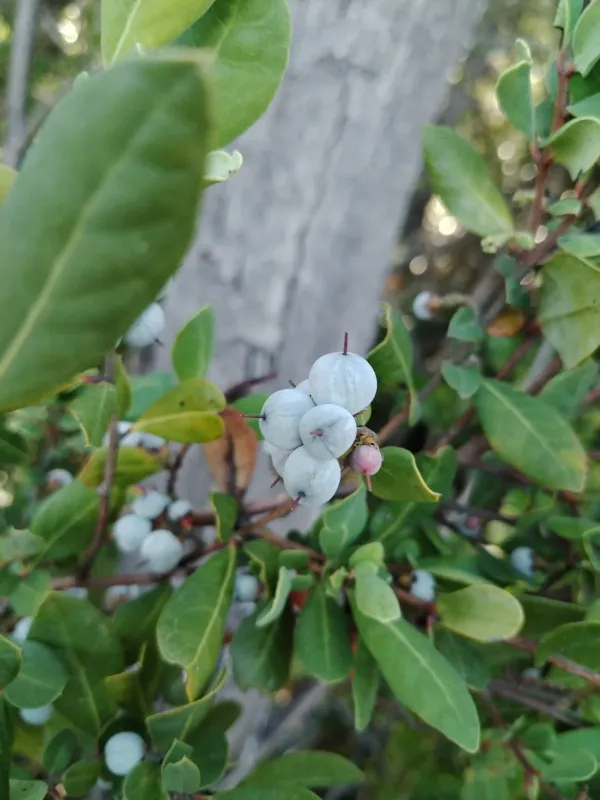
Description
Growing requirements
Goldspire azara (Azara integrifolia) is an evergreen shrub belonging to the Salicaceae family. Originating from the temperate forests of Chile and Argentina, it is highly valued for its elegant form and fragrant flowers.
The plant thrives in well-drained, fertile soil that is rich in organic matter. While it prefers neutral to slightly acidic soil, it is essential to ensure that the site does not become waterlogged, as the roots are sensitive to excessive moisture.
Optimal placement involves a sunny or partially shaded spot that offers protection from harsh, drying winds. In colder climates, planting against a south-facing wall can provide the necessary thermal buffer for the shrub to survive.
As an evergreen, it maintains its lush green foliage throughout the year. The plant produces dense clusters of bright yellow, vanilla-scented flowers that make it a favorite for late winter and spring gardening.
Cultural practices should focus on maintaining a consistent but moderate moisture level. Mulching the base of the plant helps to regulate soil temperature and retain humidity during the drier summer months.
Main diseases and pests
The primary environmental threat to Azara integrifolia is severe winter frost. Prolonged sub-zero temperatures can lead to significant dieback of the stems and branches, potentially killing the plant.
Excessive soil moisture, particularly during the dormant season, frequently leads to root rot. This fungal issue is often irreversible and significantly reduces the plant's overall vigor and aesthetic value.
Pests such as scale insects can cause considerable damage by clustering on branches and depleting the plant's resources. Infestations often go unnoticed until the leaves start to yellow or drop.
Aphids can be a recurring problem, especially in sheltered or greenhouse environments. These insects target new growth, causing curling leaves and providing a substrate for sooty mold growth.
Integrated pest management, including regular inspection and the use of horticultural oils, is recommended to keep the shrub healthy. Providing adequate ventilation and light significantly reduces the risk of fungal outbreaks.