
Azara dentata
Azara dentata
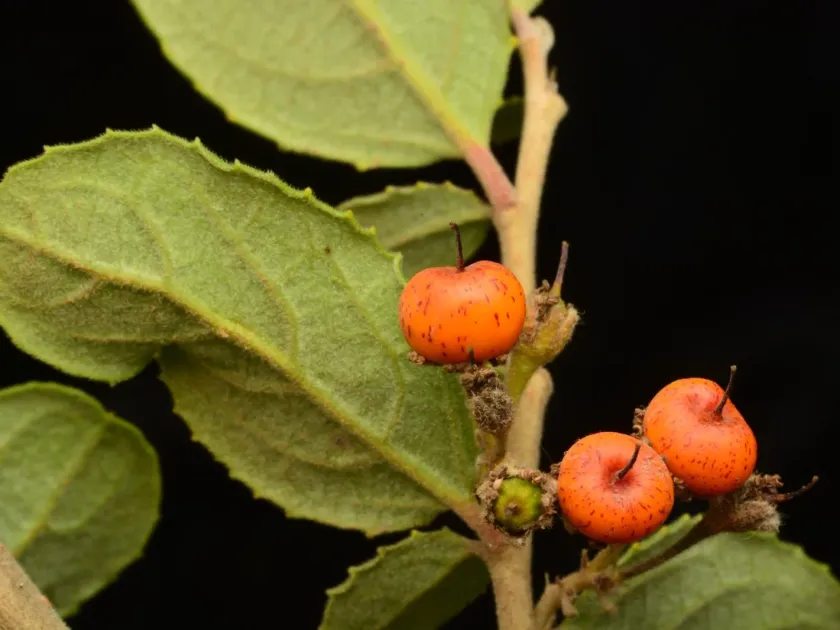
Description
Growing requirements
Azara dentata is an evergreen shrub belonging to the Salicaceae family. Native to the central regions of Chile, this plant thrives in moderate climates where winters are not excessively harsh, making it a popular choice for protected gardens.
The plant requires well-drained, fertile soil with a neutral or slightly acidic pH balance. It performs best in positions that provide full sun or partial shade, provided it is shielded from cold, drying winds that can damage its foliage.
Botanically, Azara dentata is characterized by its glossy, serrated dark green leaves and a slow, upright growth habit. In maturity, it can reach several meters in height, creating a dense and elegant structure for landscape use.
During the spring, the shrub produces clusters of small, bright yellow flowers. These blooms are highly prized for their intense, pleasant vanilla-like fragrance, which serves as a major attraction for bees and other beneficial insects.
Cultivation requires consistent soil moisture, particularly during the first years of establishment. Applying mulch around the root zone helps maintain humidity and protects roots from extreme temperature fluctuations during the season.
Main diseases and pests
Azara dentata is generally considered a low-maintenance plant, but it is susceptible to root rot if planted in heavy or waterlogged soils. Ensuring excellent drainage is the primary defense against such soil-borne pathogens.
Cold damage is the most significant threat to this shrub in non-native environments. If temperatures drop significantly below freezing, the plant may suffer from dieback, necessitating proper insulation or relocation to a sheltered spot.
Pests such as aphids and spider mites can occasionally affect the plant, particularly in dry and stagnant air conditions. Regular monitoring of the underside of leaves is recommended for early detection of these insect populations.
Fungal diseases like leaf spot may occur if the foliage remains wet for extended periods in humid climates. Improving airflow through careful pruning helps to keep the plant canopy dry and reduces the risk of fungal proliferation.
General maintenance, including the timely removal of dead or crossing branches, contributes to the overall health of the shrub. This practice ensures that the plant remains vigorous and resilient against typical garden stressors.