
Azara
Azara
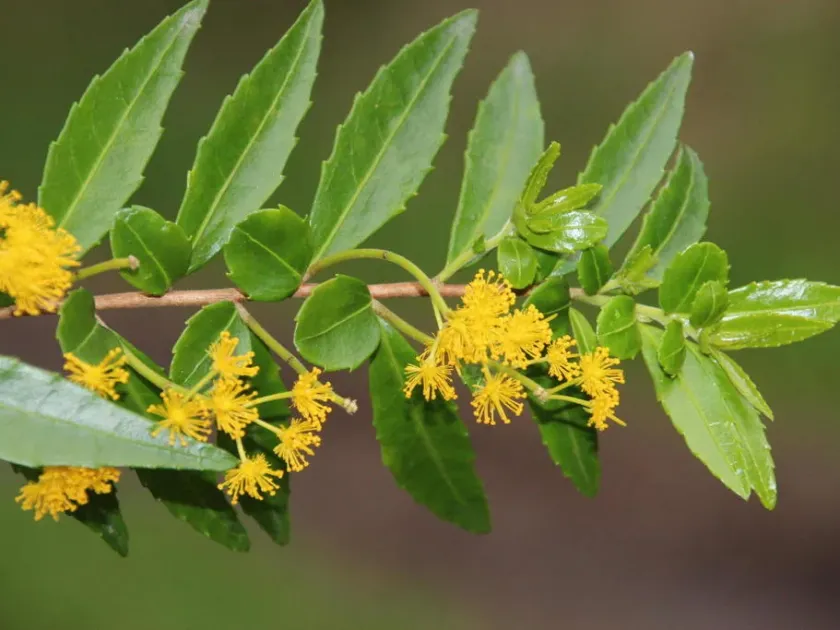
Description
Growing requirements
Azara is a genus of evergreen trees and shrubs belonging to the Salicaceae family. These plants are widely recognized for their glossy, often serrated foliage and unique, fragrant flowers that typically bloom in late winter or early spring.
Native to South America, particularly Chile and Argentina, the plant thrives in temperate climates. It prefers sheltered locations where it can be protected from cold, drying winds that could damage its evergreen leaves.
The plant requires well-drained, humus-rich soil to reach its full potential. A neutral or slightly acidic pH level is preferred, and the soil should be kept consistently moist but never waterlogged to ensure healthy root development.
Climate adaptability is limited for most species, as they are not fully hardy in harsh freezing conditions. In regions with cold winters, cultivation in containers that can be moved to a greenhouse or conservatory is the recommended management practice.
Ornamental use is the primary purpose of Azara. It is frequently employed in gardens as a structural plant, a wall-trained shrub, or as an attractive focal point due to its elegant growth habit and the pleasant, vanilla-like scent of its blossoms.
Main diseases and pests
The most significant threats to Azara include root diseases caused by poor soil drainage. Ensuring that the planting site provides adequate water runoff is essential for preventing fungal decay of the root collar.
Common pests include aphids and scale insects that may attack the undersides of the leaves. Regular inspection of the foliage during the growing season allows for early detection and manual removal or treatment of affected parts.