
Needle-leaved totara
Podocarpus acutifolius Kirk 1883
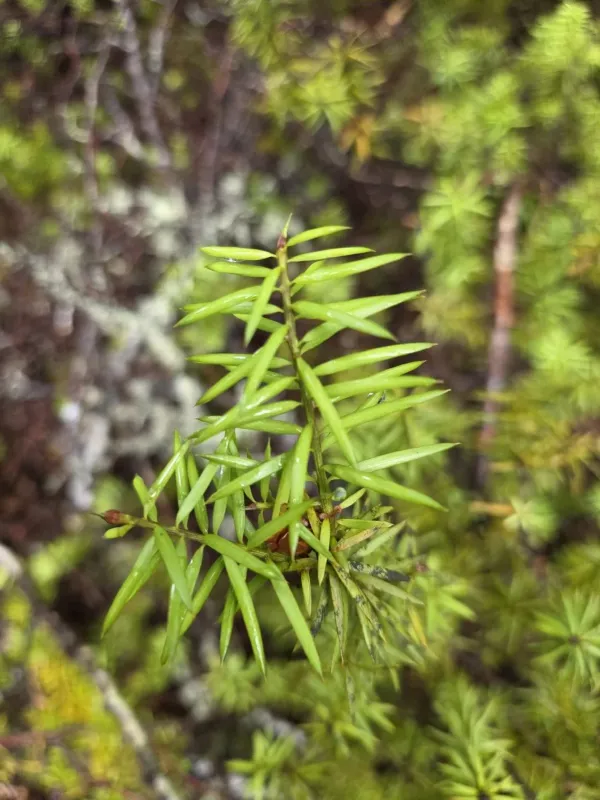
Description
Growing requirements
Needle-leaved totara (Podocarpus acutifolius) is a distinct species belonging to the Podocarpaceae family. It is endemic to the South Island of New Zealand, traditionally inhabiting river valleys and rocky areas. In agricultural settings, it is valued for its unique needle-like foliage and evergreen habit.
The culture thrives in well-drained, slightly acidic to neutral soils. It is critical to provide a substrate that retains sufficient moisture without becoming waterlogged, as the root system is highly susceptible to hypoxia and subsequent fungal attacks if drainage is inadequate.
Climate requirements for this species include mild temperature ranges. It is not cold-hardy in severe winter regions and is generally cultivated in containers or protected environments in climates where temperatures drop significantly below freezing for extended periods.
Agricultural practices require careful attention to lighting. While the plant can tolerate partial shade, it performs best with bright, filtered sunlight. Excessive exposure to harsh, direct sunlight during dry periods may lead to needle chlorosis and dehydration of the crown.
Consistent moisture management is key to successful cultivation. During the growing season, regular irrigation should be supplemented with balanced, low-nitrogen fertilizers formulated specifically for slow-growing conifer species to maintain steady development.
Main diseases and pests
Scale insects represent a primary pest challenge for Podocarpus acutifolius. These pests adhere to the undersides of leaves and stems, causing yellowing and stunted growth. Integrated pest management, including horticultural oils, is recommended for effective control.
Spider mites are a common threat, particularly in indoor or greenhouse cultivation where air circulation is limited and humidity is low. Regular misting and monitoring are essential preventative measures against mite infestations.
Root rot, often caused by Phytophthora species, is the most severe disease risk. It is almost always a result of poor irrigation management or heavy, non-porous soil media. Proper drainage is the only reliable long-term defense against this pathogen.
Sooty mold can occur as a secondary infection following honeydew-producing insect infestations. While the mold itself does not directly penetrate the plant tissue, it reduces photosynthesis, necessitating the cleaning of the foliage and the elimination of the source insects.
Good cultural hygiene, including the removal of fallen debris and dead branches from the base of the plant, reduces the risk of fungal spores colonizing the plant tissue. Frequent inspections of the lower crown are advised to ensure early detection of any health issues.