
Podocarpus macrophyllus
Podocarpus macrophyllus (Thunb.) D. Don
Description
Growing requirements
Podocarpus macrophyllus, commonly known as the yew pine or Buddhist pine, is an evergreen conifer belonging to the Podocarpaceae family. It is native to southern Japan and China, thriving in subtropical environments.
This species requires a warm climate and is frost-tender, making it suitable for protected outdoor areas in temperate zones or greenhouse cultivation. It performs best in well-draining, nutrient-rich soils with a slightly acidic pH.
Optimal moisture management is critical for this plant. While it appreciates consistent watering, the root zone must remain well-aerated to prevent the onset of anaerobic conditions and root rot disease.
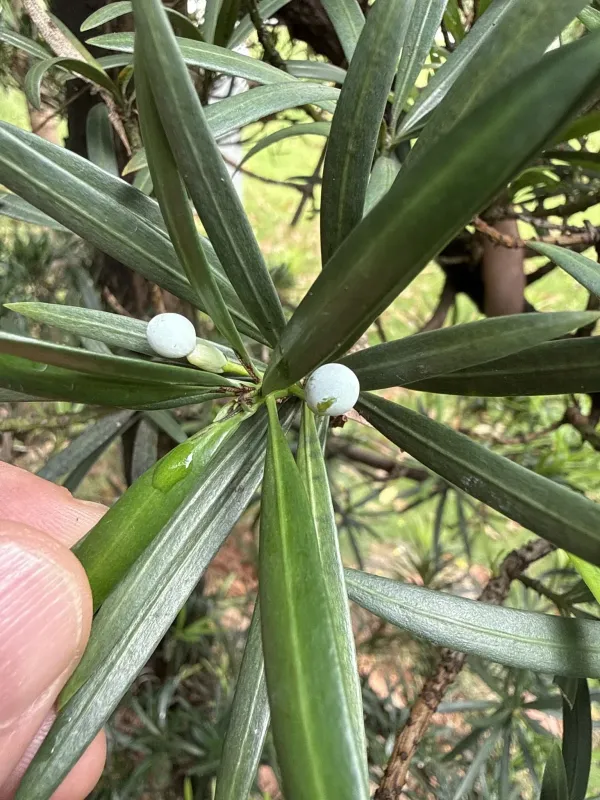
The plant features long, flat, needle-like leaves that are dark green and leathery in texture. Botanically, it is known for its slow-to-moderate growth rate, which makes it an excellent candidate for formal topiary work.
Agronomic practices for Podocarpus include regular feeding during the active growing season with balanced NPK fertilizers. Annual pruning helps maintain a dense canopy and specific shapes, essential for its commercial use in landscaping.
Main diseases and pests
Scale insects and mealybugs are the primary pests that affect Podocarpus macrophyllus. These sap-sucking insects settle on the foliage and stems, leading to stunted growth and the development of sooty mold on the leaves.
Fungal issues, particularly Phytophthora root rot, are common when soil drainage is inadequate. This pathogen causes the foliage to lose its luster and eventually leads to the wilting of entire branches.
Integrated Pest Management (IPM) strategies are recommended, starting with the manual removal of pests and followed by the application of horticultural oils or systemic insecticides if the infestation is severe.
Preventative fungicide applications are advisable, especially during humid weather conditions that favor spore germination. Keeping the foliage dry and ensuring adequate spacing between plants significantly mitigates risks.
Regular sanitation, including the prompt removal of fallen debris and dead branches, is essential to limit the reservoir of pathogens and maintain a healthy crop environment throughout the year.