
Pherosphaera hookeriana
Pherosphaera hookeriana
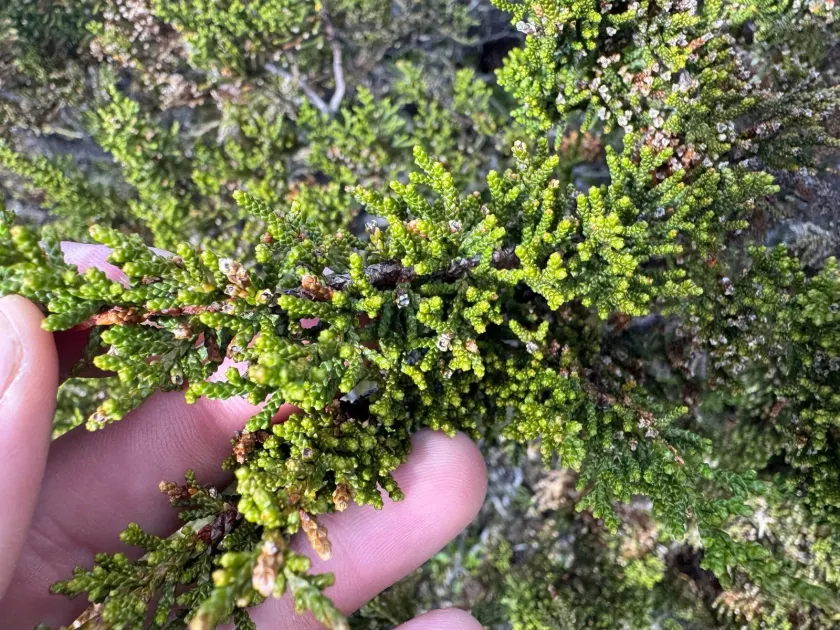
Description
Growing requirements
Pherosphaera hookeriana is a rare coniferous shrub belonging to the Podocarpaceae family. It is endemic to the high-altitude regions of Tasmania, thriving in cool, moist, and alpine environments where few other plants can persist.
Botanically, it is recognized for its dense, moss-like foliage and compact growth habit. The plant is highly valued by enthusiasts of rare flora for its unique texture and slow growth rate, which makes it suitable for specialized rock gardens.
Cultivation requires strict adherence to soil conditions: the substrate must be highly acidic, peaty, and possess exceptional drainage. The root system is extremely sensitive to waterlogging, necessitating a porous, airy soil structure.
Climatic requirements focus on maintaining a cool root temperature. In gardens, it is best planted in sites with dappled shade, avoiding exposure to intense afternoon heat which can stress the plant and induce browning of the needles.
The agricultural maintenance of this species involves minimal intervention. It does not require frequent pruning, but the soil should be kept consistently moist with the help of organic mulch, such as pine bark or needles.
Main diseases and pests
Root pathogens are the primary threat to the vitality of the plant, often resulting from improper irrigation strategies. Fungicide treatments are effective, but improving drainage is the only permanent solution to root rot issues.
Spider mites represent the main pest threat, especially in sheltered or indoor conditions where air circulation is limited. Maintaining higher relative humidity around the plant canopy serves as a reliable deterrent against these pests.
The plant is highly susceptible to chemical burns if fertilizers are applied at concentrations meant for rapid-growth species. Using dilute organic seaweed extracts is recommended for providing necessary micronutrients without damaging the roots.
Environmental stress, particularly sudden winter thaws followed by freezing temperatures, can lead to foliage desiccation. Protecting the specimen from drying winds during the winter months is essential for long-term health.
Monitoring for foliage discoloration is vital for early detection of nutrient deficiencies. Specifically, iron chlorosis is common if the soil pH shifts away from the preferred acidic range, requiring professional management of the substrate chemistry.