
Afrocarpus gracilior
Afrocarpus gracilior (Pilg.) C. N. Page
Description
Growing requirements
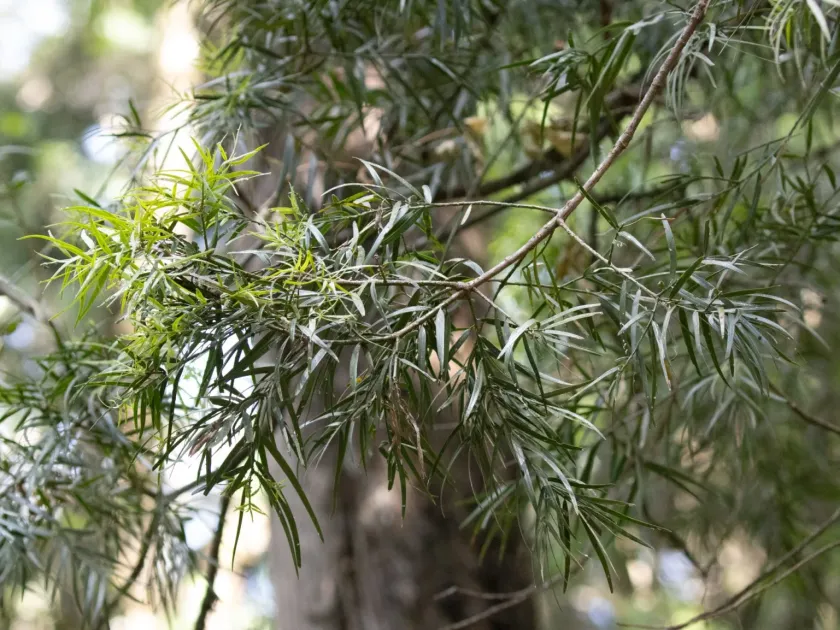
Afrocarpus gracilior, commonly known as the East African Yellowwood, is a significant member of the Podocarpaceae family. It is a slow-growing evergreen tree prized for its elegant, willow-like foliage and strong, valuable timber in its native habitats.
The species is native to the high-altitude forests of Eastern Africa, including Ethiopia, Kenya, and Tanzania. These regions provide the tree with a cool, moist environment that allows it to develop its characteristic deep root system and lush, dense canopy.
Regarding soil requirements, Afrocarpus gracilior thrives in deep, fertile, and well-drained loamy soils. It is essential to ensure the planting site or container has excellent drainage, as the species is highly susceptible to root decay if waterlogged for extended periods.
Climatic requirements focus on a frost-free environment with consistent moisture. While it can withstand short periods of light drought once established, regular irrigation is necessary during the active growth phase to maintain its ornamental value and health.
Agricultural management involves careful light management. While mature specimens tolerate full sun, young plants perform significantly better in partial shade, mimicking their natural forest floor habitat until they reach a certain height.
Main diseases and pests
Scale insects are among the most common pests affecting Afrocarpus gracilior. These sap-sucking insects attach themselves to stems and needles, weakening the tree and promoting the growth of sooty mold on the foliage.
Mealybugs can also infest the canopy, particularly in sheltered or indoor environments, causing stunted growth and the curling of new leaf tips due to their feeding activity.
Root rot caused by Phytophthora species represents a major biological threat, usually triggered by improper watering practices or heavy, non-porous soil media that fails to drain adequately.
Spider mites are a persistent problem in drier climates or indoor settings, leading to bronzing and eventual shedding of the needles if the infestation is not controlled promptly.
Integrated pest management strategies should include regular monitoring, maintaining appropriate humidity levels, and the application of horticultural oils or systemic insecticides when early signs of infestation appear.