
Acmopyle sahniana
Acmopyle sahniana
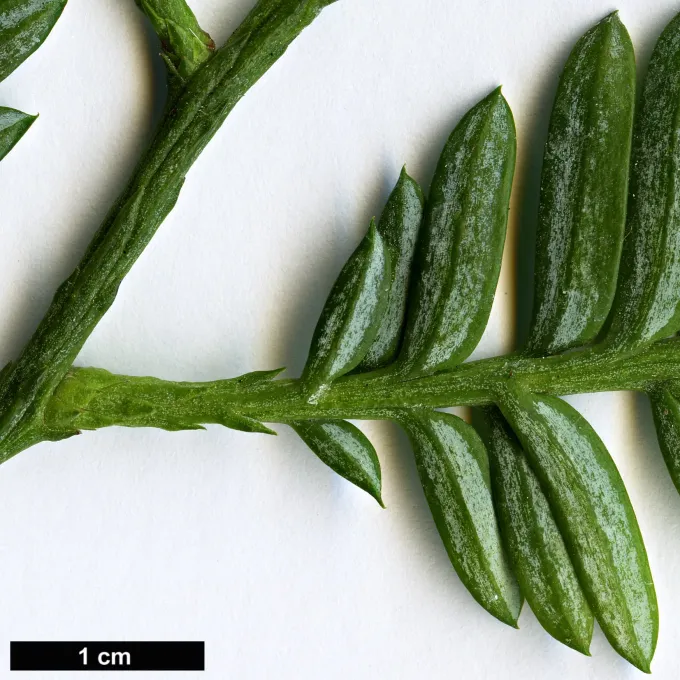
Description
Growing requirements
Acmopyle sahniana is a rare coniferous tree species belonging to the Podocarpaceae family. It is strictly endemic to the island of Viti Levu in Fiji, where it grows in high-altitude tropical rainforests. This species represents an ancient lineage and provides critical insights into the evolution of conifers in the South Pacific.
The ecological requirements for this species are highly specific, necessitating consistently humid tropical conditions. It thrives in well-drained, acidic forest soils rich in organic matter. As a mountain-dwelling tree, it has adapted to lower temperatures compared to lowland coastal areas, making its cultivation outside this niche extremely challenging.
Botanically, Acmopyle sahniana is characterized by its slow growth rate and distinct leaf morphology. The plant produces unique reproductive structures that are typical of primitive podocarps. These trees often form part of the canopy or understory in undisturbed forest patches, where they have evolved to compete for filtered sunlight.
Regarding its хозяйственное use, Acmopyle sahniana has no agricultural value. It is not cultivated for timber, fruit, or fiber. Instead, it is highly valued by the global scientific community and conservationists as a genetic treasure that must be protected in its natural, pristine habitat.
Agricultural techniques for this species are virtually non-existent, and cultivation trials in botanical gardens have met with limited success. The conservation of this plant is prioritized over human exploitation, as the species is categorized as threatened due to its highly restricted geographical range.
Main diseases and pests
The primary threat to Acmopyle sahniana is the destruction of its natural habitat. Deforestation and land-use changes for agricultural expansion significantly reduce the available area for this vulnerable species. The loss of forest canopy alters the microclimate, leaving the trees susceptible to thermal stress.
Invasive plant species pose a severe threat by outcompeting Acmopyle sahniana for soil nutrients and space. Because this tree grows very slowly, it is unable to recover quickly if its surrounding environment is overtaken by faster-growing, opportunistic flora or invasive weeds.
Pathogenic threats are also a concern, particularly fungal infections that target the roots in saturated soils. Without proper monitoring and research, the impact of these diseases on the remaining population remains largely unknown, making it difficult to implement effective chemical or biological interventions.
Climate change poses a long-term risk, as mountain-specific ecosystems are sensitive to even minor shifts in temperature and rainfall patterns. These shifts could isolate the species further, leading to a genetic bottleneck that reduces its overall resilience to diseases and environmental pressures.
Ultimately, the protection of this species requires strict preservation of the entire forest ecosystem it occupies. Since no established agricultural protocol exists, the focus remains on habitat management and minimizing human disturbance to prevent the loss of this rare coniferous treasure.