
Western hemlock
Tsuga heterophylla (Raf.) Sarg.
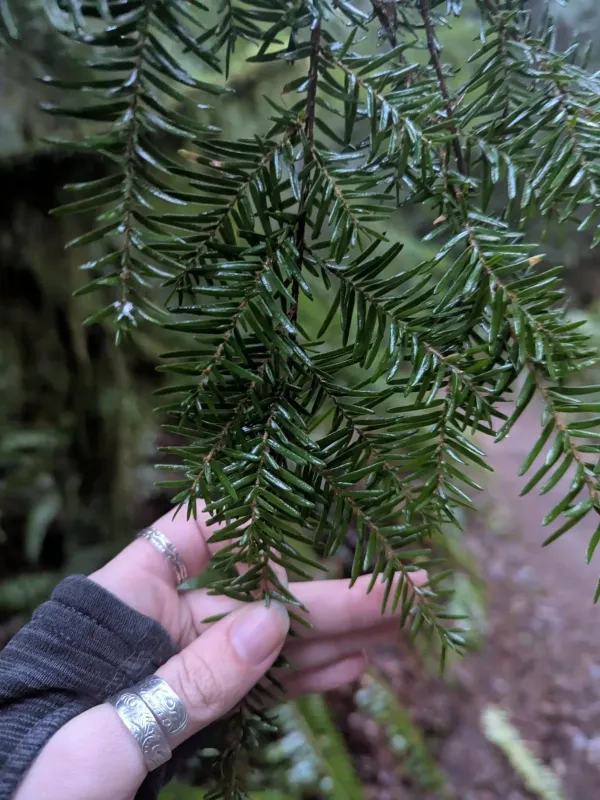
Description
Sowing dates
Propagation of Western hemlock is primarily achieved through seeds, which require stratification for 30 to 60 days at low temperatures to ensure successful germination. Sowing is typically performed in spring in prepared nursery beds.
Vegetative propagation using semi-hardwood cuttings is also possible, usually carried out in late summer. Using rooting hormones and maintaining consistent high humidity in greenhouses is crucial for successful establishment.
Seedlings are sensitive to direct sunlight and extreme temperatures during their first years, necessitating the use of shade cloth in the nursery environment. Proper nursery management significantly improves survival rates after transplantation.
When transplanting to a permanent site, early spring is the preferred time to allow the root system to adapt before the summer heat. Adequate spacing should be maintained to prevent competition for resources among young saplings.
Success in sowing and early growth stages depends heavily on moisture levels in the substrate. Careful monitoring of irrigation systems during the initial establishment phase is recommended.
Growing requirements
Western hemlock (Tsuga heterophylla) is a member of the Pinaceae family, native to the temperate rainforests of North America. It thrives in regions with mild temperatures, high rainfall, and consistent atmospheric humidity.
The species prefers deep, moist, well-drained, and slightly acidic soils. It does not tolerate prolonged drought or dry, sandy conditions, which often limit its distribution in drier inland areas.
One of the most notable characteristics of this tree is its extreme shade tolerance, allowing it to regenerate and grow successfully beneath a dense canopy of older trees. It is highly valued for its ability to dominate in forest understories.
The tree requires protection from harsh, desiccating winds that can damage needles and stunt growth. While it is hardy in many climates, it is vulnerable to late spring frosts that may damage tender new shoots.
Mulching the root zone is a recommended practice to help retain soil moisture and keep the soil temperature cool. Excessive fertilizer application should be avoided, as the species is sensitive to chemical soil imbalances.
Yield
In forestry, Western hemlock is prized for its high volume of wood production and rapid growth rates. It is a major source of lumber used in construction, framing, and interior finishing, known for its good strength-to-weight ratio.
The wood is also widely used in the pulp and paper industry due to its long, strong fibers. Its versatility and abundance make it one of the most economically important commercial tree species in its native range.
Beyond its industrial value, the tree is often used in landscaping for its graceful, drooping leader and fine-textured foliage. It creates excellent hedges and screens when planted in suitable environmental conditions.
Yield and timber quality are optimized through sustainable forest management, including selective thinning and proper site preparation. Large-scale plantations require consistent humidity to reach their full productive potential.
The ornamental value is maximized by allowing enough space for the tree to develop its characteristic conical shape and drooping branches, which remain attractive throughout the year.
Main diseases and pests
Root rot diseases are the most significant threat to Western hemlock, especially in waterlogged or poorly drained soils. Preventing soil compaction is essential to maintaining the tree's health and preventing root damage.
Pests such as the hemlock woolly adelgid represent a severe danger to the population, as they feed on the sap and can lead to rapid decline and mortality if left untreated. Regular scouting is required for early detection.
Rust fungi may affect the tree, causing branch distortion and premature needle drop. These issues are often exacerbated by poor air circulation in overly dense stands or humid, enclosed garden settings.
Sanitation practices, including the removal of dead or dying limbs, are effective in minimizing the spread of pathogens. Chemical control should be implemented judiciously, focusing on specific pest life cycles.
- Root rot
- Hemlock woolly adelgid
- Rust fungi
- Bark beetles