
Eastern hemlock
Tsuga canadensis (L.) Carrière
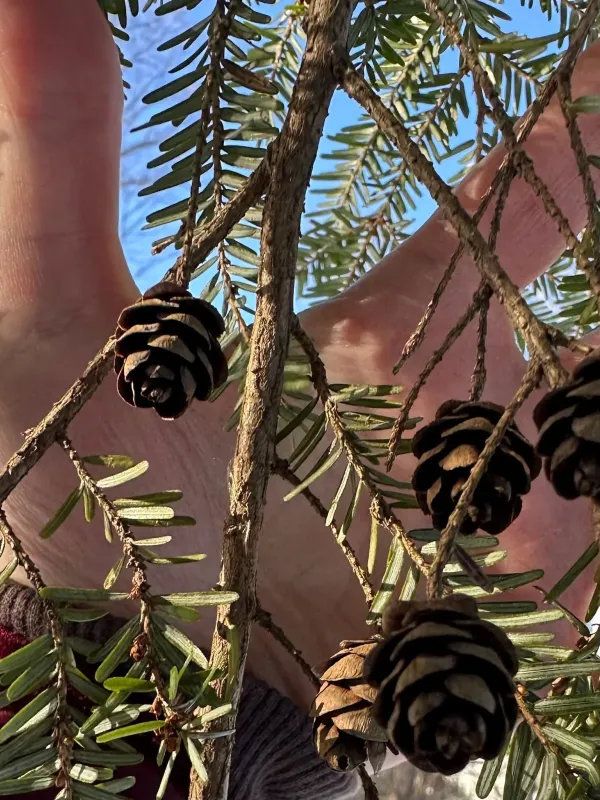
Description
Sowing dates
Cultivation of Tsuga canadensis from seed is a patient process that requires cold stratification for 2 to 3 months at temperatures between 1°C and 5°C. Sowing in spring is recommended for optimal germination success.
The seeds should be sown in a well-draining, acidic, organic-rich medium. Covering them with a very thin layer of substrate is crucial, as hemlock seeds require precise placement to prevent fungal decay before germination.
Once seedlings emerge, they must be kept in partial shade. Direct, intense sunlight can kill young hemlocks, so nurseries usually employ shade cloths or natural canopy protection during the first few growing seasons.
Vegetative propagation via cuttings is frequently used for cultivars to ensure genetic uniformity. Cuttings taken from current-season growth in late summer respond well to rooting hormones under misting systems.
Young plants require consistent moisture in the root zone. Ensuring the soil never dries out completely during the first two years of development is essential for establishing a robust root system before transplantation.
Growing requirements
Eastern hemlock is a prominent member of the Pinaceae family, native to the humid forests of North America. It is characterized by its elegant, feathery foliage and graceful, pendulous branch tips that grow well in cool, moist environments.
The species prefers deep, cool, moist, and well-drained acidic soils. It struggles significantly in heavy clay or alkaline soils, where nutrient deficiencies often lead to chlorosis and stunted growth patterns.
It is remarkably shade-tolerant, making it an excellent candidate for understory plantings or sheltered north-facing garden locations. However, protection from drying winter winds is necessary to prevent needle desiccation.
Moisture is the primary driver of health for this species. In regions with lower humidity, overhead irrigation is highly beneficial, as it mimics the moist mountain air where these trees naturally thrive.
Maintenance involves providing adequate mulch around the root zone, which helps keep the soil cool and moist. Annual fertilization with acidic-loving plant food should be applied during early spring to support active growth.
Main diseases and pests
The most devastating pest is the hemlock woolly adelgid (HWA). This invasive insect feeds on the sap at the base of the needles, which can kill healthy trees within a few years if left untreated.
Spider mites are common in drier climates or during periods of prolonged heat. They cause the needles to appear dusty or greyish-yellow, and regular inspections are needed to catch infestations early.
Root rot, particularly Phytophthora, is a significant threat when soil drainage is poor. Ensuring the tree is planted on slightly elevated ground or in well-aerated soil is the best way to prevent fungal pathogens.
Sooty mold can sometimes grow on the honeydew excreted by adelgids. While not a direct parasite, it hinders photosynthesis and indicates a need for immediate pest management interventions.
- Integrated pest management for HWA control
- Regular soil drainage assessment
- Sanitary pruning of dead or infected branches
- Strategic monitoring during warm summer months