
Japanese Douglas fir
Pseudotsuga japonica
Description
Growing requirements
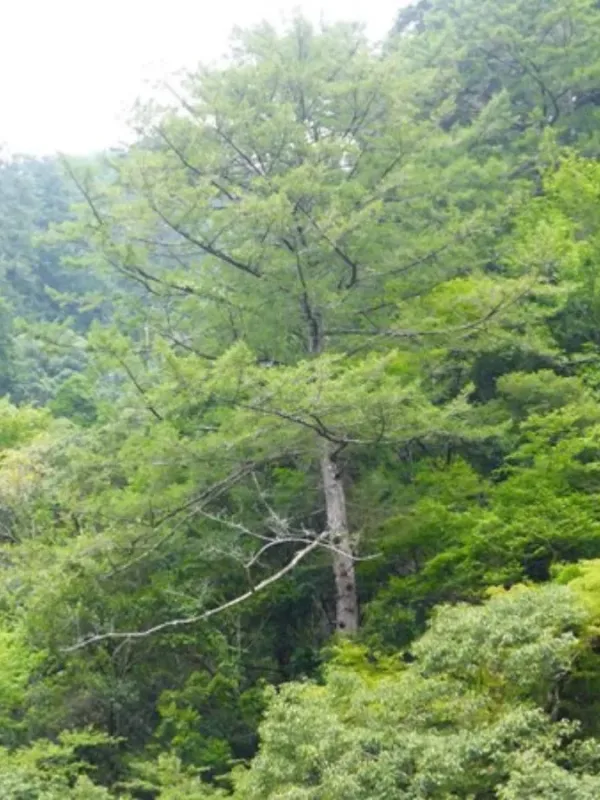
The Japanese Douglas fir (Pseudotsuga japonica) is an evergreen coniferous species within the Pinaceae family. It is endemic to the mountain ranges of the Honshu and Shikoku islands in Japan.
This species thrives in temperate climates characterized by sufficient rainfall. It requires deep, well-drained soil rich in organic matter to support its vertical growth habit and long-term health.
Botanically, it is distinguished by its distinct leaves with two pale stomatal bands underneath and cone structures featuring prominent, reflexed bracts. The overall structure typically develops into a conical form as it matures.
Successful cultivation relies on choosing sites that are protected from severe, drying winds. While it is relatively hardy, it appreciates a site with consistent moisture levels and protection from intense mid-summer heat.
In terms of usage, the Japanese Douglas fir is primarily utilized in forestry for timber potential and, more significantly, in landscape architecture as an ornamental specimen for large gardens and arboreta.
Main diseases and pests
Common fungal diseases associated with Pseudotsuga japonica often occur due to poor site drainage or excessively humid microclimates within the planting area.
Pests such as adelgids and aphids frequently target the tender needles, which necessitates monitoring during the early stages of the growing season.
Root rot caused by stagnant water is a significant threat that can lead to irreversible decline if soil conditions are not properly managed.
Integrated pest management includes the application of horticultural oils or targeted insecticides to control sucking insects during the spring months.
Maintaining proper spacing is essential to ensure adequate airflow, which is a key preventive measure against the development of foliage-related pathogens.