
Cedar of Lebanon
Cedrus libani A. Rich.
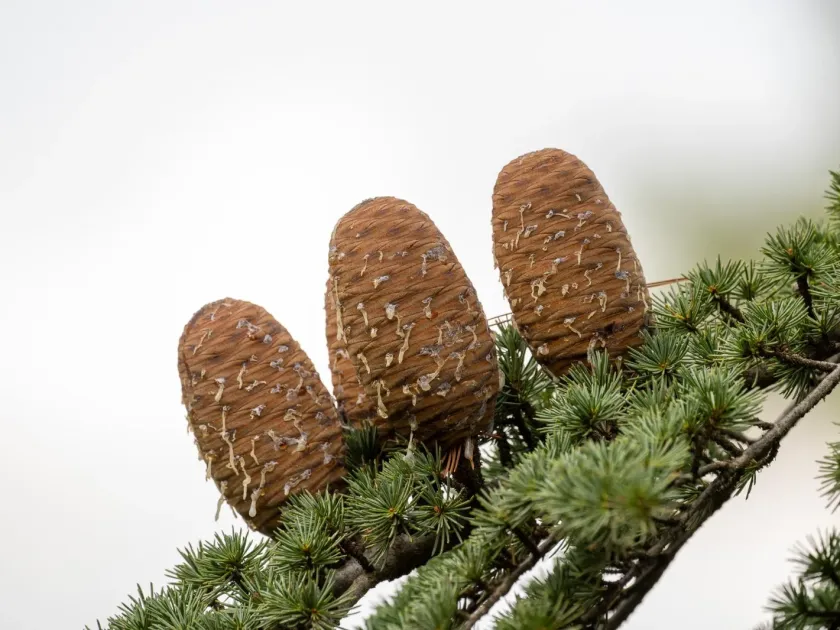
Description
Sowing dates
Sowing seeds of the Cedar of Lebanon in nurseries is typically performed in late autumn or spring following cold stratification. Stratification lasts between 30 and 45 days at temperatures near 4-5 degrees Celsius to optimize germination rates.
For direct seeding in open ground, it is recommended to use prepared beds with light, well-draining soil. Seeds should be planted at a depth of 2 to 3 centimeters, maintaining consistent moisture levels during the critical seedling establishment phase.
Commercial forestry operations prefer containerized seedling production. Using a closed root system minimizes transplant shock and significantly improves survival rates when trees are moved to their permanent landscape location.
Spacing within nursery rows should be 20–30 centimeters, with 10 centimeters between individual seedlings. This density ensures adequate air circulation and light exposure, which are essential for developing strong, healthy young trees.
Young seedlings require protection from direct sunlight during their first two years. Shading nets are effective at preventing sunscald and excessive moisture loss in the delicate root zone during the summer months.
Growing requirements
The Cedar of Lebanon is a majestic member of the Pinaceae family, capable of reaching heights of 40 meters. It thrives in sunny, well-illuminated environments that are sheltered from harsh, drying winds.
The species prefers deep, calcareous, or loamy soils with a neutral to slightly acidic pH level. Excellent drainage is non-negotiable, as the root system is highly susceptible to rot if water stagnation occurs.
While mature trees exhibit considerable drought tolerance, younger specimens require a consistent irrigation schedule. The species can survive temperatures as low as -25 degrees Celsius, defining its range for successful outdoor cultivation.
This tree is sensitive to air quality and does not thrive in heavily polluted urban or industrial areas. Ideally, it should be cultivated in clean, suburban, or rural environments where air exchange is natural and frequent.
Agrotechnical maintenance includes spring applications of slow-release fertilizers formulated for conifers. It is important to reduce nitrogen input late in the season to ensure that new growth hardens off before the onset of winter frost.
Main diseases and pests
Among the primary pests affecting the Cedar of Lebanon are adelgids, which extract sap from needles. Infested trees lose their aesthetic appeal and vigor, requiring prompt insecticidal treatment to prevent further damage.
Bark beetles and wood-boring insects pose a significant threat to the tree trunk. Preventive measures involve regular forest hygiene, such as removing weakened or dead wood, combined with insecticidal treatments during peak beetle activity.
Fungal diseases, such as needle rust and various types of stem decay, can develop in stagnant air or excessively humid conditions. Regular monitoring and application of copper-based fungicides are essential for maintaining plantation health.
Root rot is a common issue linked to poor soil drainage or improper irrigation practices. Proper site selection and soil preparation prior to planting are the most effective ways to mitigate the risk of soil-borne pathogens.
Routine sanitary pruning is a critical agrotechnical practice. By removing diseased or damaged branches, growers can prevent the accumulation of fungal spores and promote healthy air circulation throughout the tree crown.