
Deodar cedar
Cedrus deodara (Roxb. ex D. Don) G. Don
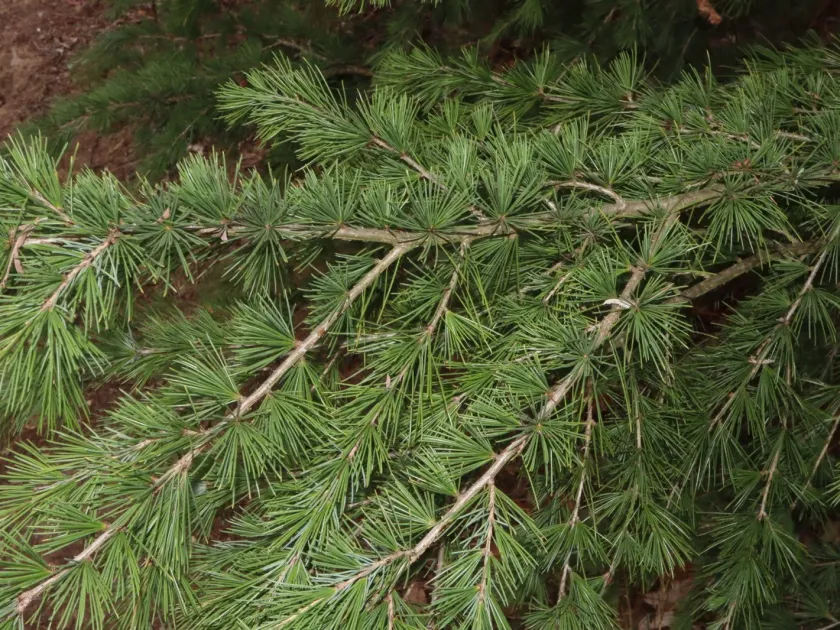
Description
Sowing dates
The propagation of the Deodar cedar (Cedrus deodara) is typically initiated through seeds, which require a period of cold stratification to break dormancy.
Seeds should be kept at temperatures between 1 and 5 degrees Celsius for approximately two months to ensure uniform and successful germination.
Planting is best performed in a well-draining, lightweight medium, placing seeds at a shallow depth of about 1–2 centimeters beneath the surface.
Consistent soil moisture is essential during the early stages, although practitioners must prevent waterlogging to avoid seedling rot in the nursery stage.
Once seedlings have established a robust root system, typically after 3–5 years, they can be successfully transplanted to their permanent landscape location.
Growing requirements
The Deodar cedar, a prominent member of the Pinaceae family, is native to the western Himalayas and thrives in high-altitude temperate climates.
It demands deep, fertile, and well-drained soils, as the species is highly sensitive to root asphyxiation caused by waterlogged or compacted soil conditions.
This tree performs best in locations that receive full sun but are protected from harsh, desiccating winds that can damage its delicate, pendulous foliage.
While mature trees exhibit some drought tolerance, supplemental irrigation during prolonged dry spells is recommended to maintain optimal growth and vigor.
Climate adaptation is a key factor; while it appreciates mild winters, it requires protection from extreme sub-zero temperatures to prevent crown damage.
Yield
The Deodar cedar is highly prized in landscape architecture for its graceful, drooping branches and majestic pyramidal habit, often serving as a focal point.
Its timber is structurally resilient, aromatic, and naturally resistant to decay, making it a valuable material for construction, carving, and furniture making.
The species produces essential oils extracted from the wood and cones, which are utilized extensively in aromatherapy, incense production, and perfumery.
Beyond its economic uses, the tree plays a crucial role in ecological restoration, helping to stabilize mountain slopes and improve local air quality.
Cultivation in dedicated nurseries provides a steady supply of saplings for reforestation and ornamental landscaping, driving local agricultural markets.
Main diseases and pests
Fungal pathogens such as root rot and tip blight represent the most significant threats to the health of Cedrus deodara in managed garden settings.
Insect pests, including aphids and spider mites, frequently colonize the needles and tender twigs, leading to significant loss of foliage vitality if left untreated.
Environmental stress, particularly excessive moisture combined with poor drainage, can predispose the tree to secondary infections and long-term decline.
Integrated pest management strategies, involving both cultural practices and periodic fungicide applications, are vital for maintaining tree longevity.
- Sanitary pruning of dead or diseased branches.
- Maintaining proper spacing to ensure adequate airflow.
- Monitoring for early signs of spider mite infestation.
- Applying mulch to stabilize soil temperature and moisture.