
Verticordia galeata
Verticordia galeata
Description
Growing requirements
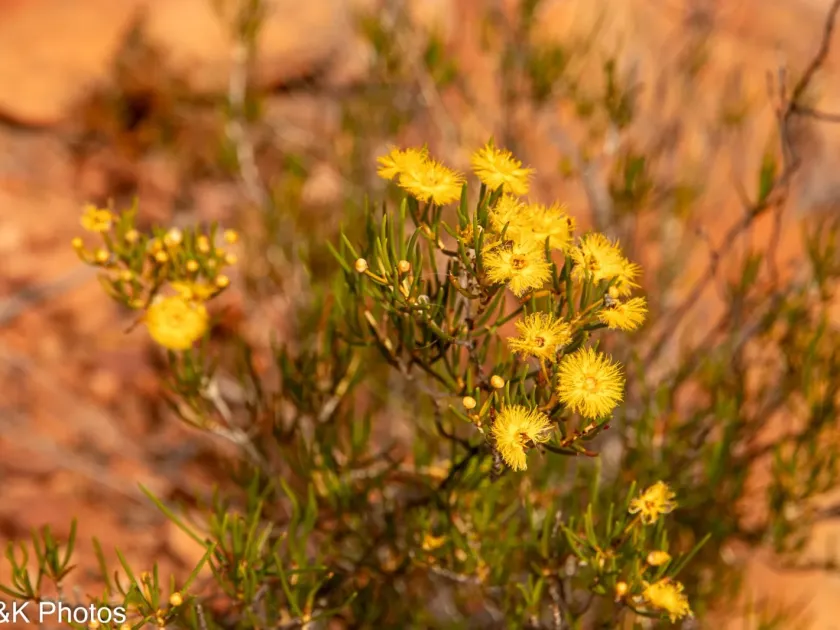
Verticordia galeata is a distinct species belonging to the Myrtaceae family, native to the sandy plains of Western Australia. This shrub is highly regarded for its unique, helmet-shaped flower structure which makes it a prized specimen in specialized botanical collections.
The plant thrives in Mediterranean-type climates, characterized by hot, dry summers and cool, wet winters. It is essential to ensure that the site provides full exposure to sunlight throughout the day to support dense branching and prolific flowering.
Regarding soil preferences, it requires extremely well-drained, nutrient-poor, sandy soils. The species is highly sensitive to phosphorus, meaning that standard fertilizers can be lethal to the plant’s delicate root system.
Water management is the most critical aspect of its agrotechnology. The soil should be allowed to dry out between waterings to prevent root asphyxiation. During the growing season, moisture should be applied sparingly, mimicking the natural precipitation patterns of its native habitat.
Container cultivation is often preferred in non-native climates, as it allows for precise control over the soil composition and ensures the plant remains mobile for protection against extreme weather events.
Main diseases and pests
Root rot caused by Phytophthora species is the primary threat to the longevity of the plant. This disease is almost exclusively linked to poor drainage and over-saturation of the potting mix.
Insect pests, including various scale insects, can infest the woody stems and foliage. Their presence not only drains the plant’s energy but also provides entry points for secondary bacterial or fungal infections.
Environmental stress, such as unseasonal humidity or lack of proper ventilation, can lead to the development of powdery mildew, which disfigures the foliage and impairs photosynthesis.
Care must be taken when using chemical pesticides, as Verticordia species are generally sensitive to high concentrations of synthetic active ingredients.
Manual removal of infected plant parts and maintaining optimal sanitary conditions are the most effective strategies for long-term health management.