
Tristaniopsis polyandra
Tristaniopsis polyandra
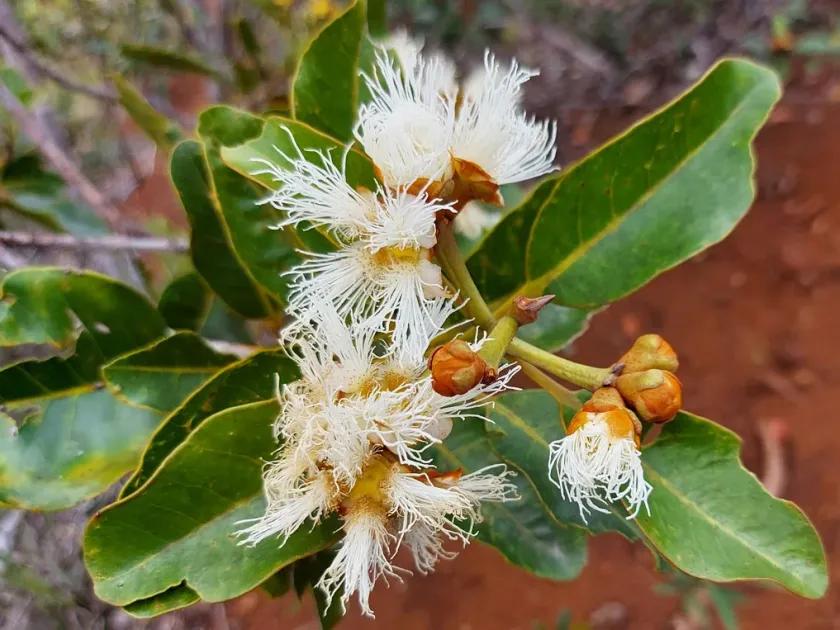
Description
Growing requirements
Tristaniopsis polyandra is a prominent evergreen tree species belonging to the Myrtaceae family. Native to the lush tropical regions of Southeast Asia, this tree is well-adapted to high-humidity environments and is frequently admired for its distinct aesthetic properties in arboretums.
The botanical highlight of this plant is its peeling bark, which reveals a smooth and attractively colored trunk, complemented by dense, leathery, lanceolate leaves. These traits make it an excellent choice for ornamental landscaping where a refined, exotic appearance is desired throughout the year.
Cultivation requires rich, well-draining soil that remains consistently moist. The species thrives in areas with high light intensity, although young saplings may benefit from partial shade to prevent heat stress during the establishment phase of their growth cycle.
Climatic requirements strictly include tropical to sub-tropical conditions with no frost tolerance. The plant requires a consistent supply of water and is not suitable for regions with prolonged dry seasons or cold winters, as these factors significantly impede its biological development.
In practice, the tree is highly valued for urban and private park decoration. While its timber is dense and durable, the tree's slow maturation cycle means it is primarily utilized as a long-term ornamental feature rather than a commodity for industrial forestry.
Main diseases and pests
Major threats to the health of Tristaniopsis polyandra include root pathogens associated with waterlogged soils. Ensuring excellent drainage is the primary defense strategy against crown rot and other fungal infections that can compromise the structural integrity of the root system.
Pest management should focus on common tropical insects like scale insects and mites. Keeping the foliage clean and maintaining optimal plant vigor through balanced nutrition are essential practices to minimize the risk of infestation and ensure the longevity of the tree.