
Tristaniopsis obovata
Tristaniopsis obovata
Description
Growing requirements
Tristaniopsis obovata is a member of the Myrtaceae family, known for its elegant foliage and distinctive bark. This evergreen plant is native to subtropical and tropical environments, where it naturally thrives in moist habitats along watercourses.
The plant requires a stable, warm climate and is susceptible to frost damage. It performs best in full sun or light shade, provided it receives sufficient light to maintain its dense canopy and deep leaf coloration throughout the growing season.
The ideal soil for this species should be fertile, well-drained, and slightly acidic to neutral. While the species is adapted to water-rich environments, cultivation in stagnant water or poorly drained heavy clay soils must be strictly avoided.
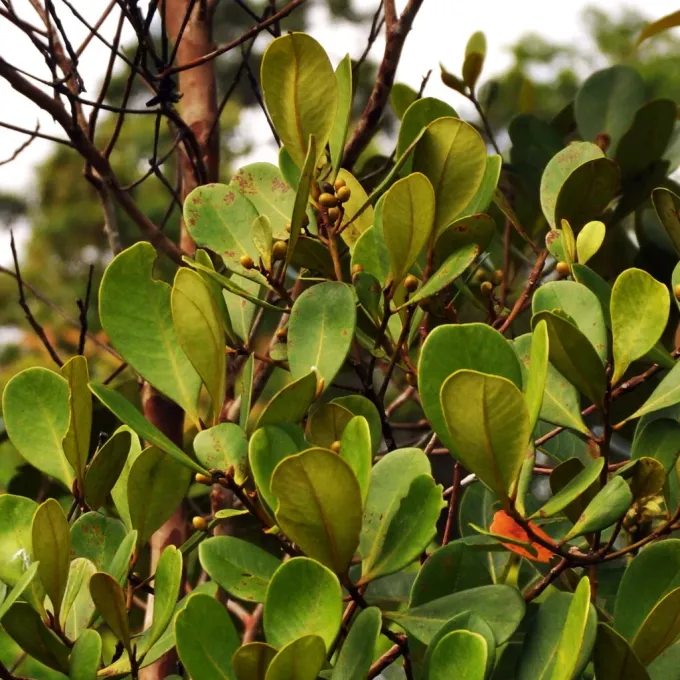
Botanically, the plant is characterized by its obovate leaves and smooth, peeling bark, which provides significant aesthetic value. It is often used in landscape architecture to add an exotic texture and structure to formal or wild-style gardens.
Standard care involves consistent irrigation during dry spells and occasional pruning to maintain the desired shape. Proper soil aeration is critical for root health, ensuring the plant remains vigorous and resilient against various environmental stressors.
Main diseases and pests
The primary threats to Tristaniopsis obovata include root rot fungi, which typically develop in waterlogged soil. To prevent this, strict adherence to drainage management is necessary, especially in regions with high seasonal rainfall.
Sucking insects, such as scales and mealybugs, are frequent pests. These pests can cause yellowing and premature leaf drop. Integrated pest management, including regular inspection and the use of insecticidal soaps, is highly effective.
Leaf spot diseases are occasionally observed, particularly in greenhouses or areas with poor air circulation. Improving airflow through selective crown pruning is an essential cultural practice to mitigate the spread of fungal spores.
Nutritional deficiencies, leading to chlorosis, can occur if the soil pH becomes alkaline. Regular monitoring of pH levels and the application of micro-nutrient fertilizers ensure the plant maintains its physiological balance.
Preventative maintenance is the most effective approach to plant health. By ensuring proper spacing, adequate light, and balanced moisture, the risk of disease outbreak is significantly reduced, promoting long-term growth and vitality.