
Tristaniopsis exiliflora
Tristaniopsis exiliflora
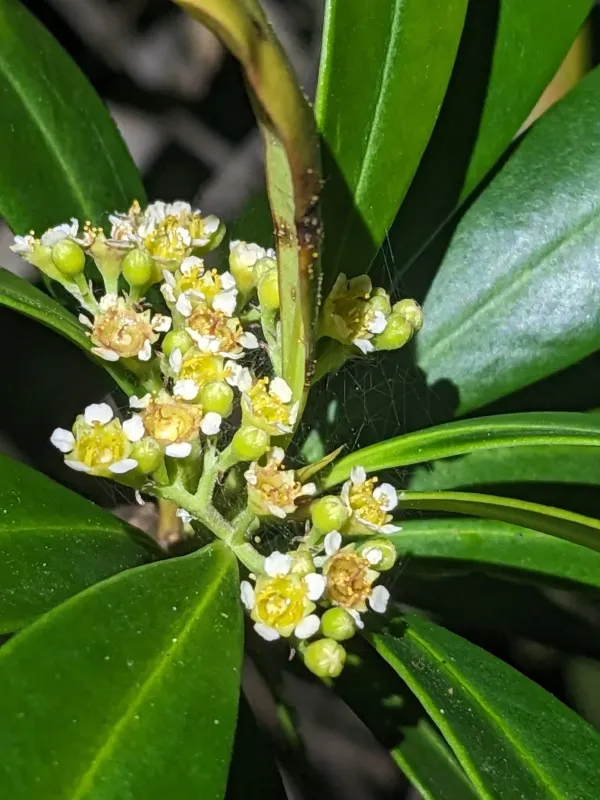
Description
Growing requirements
Tristaniopsis exiliflora is a prominent member of the Myrtaceae family, native to the tropical and subtropical landscapes of Australia. Known for its elegant form, this evergreen tree is a significant component of its local ecosystem, often found in riparian zones.
The cultivation of this species requires well-drained, nutrient-rich soils with a slightly acidic profile. Achieving the right balance of moisture and aeration is critical, as the roots are sensitive to prolonged waterlogging which can stifle development.
This tree thrives in locations with full to partial sunlight. Adequate light exposure is essential for maintaining the tree's health and promoting the development of its dense foliage. In regions with very harsh sun, light shade during the afternoon can prevent leaf scorch.
Climatic conditions for Tristaniopsis exiliflora should ideally remain stable and frost-free. Being a tropical-adapted species, it is best suited for climates where temperatures do not dip below freezing, allowing for consistent growth throughout the year.
Agricultural management involves regular watering schedules and seasonal nutrient supplementation. Applying organic matter as mulch helps maintain soil temperature stability and suppresses weeds, creating an environment favorable for the tree's root system.
Main diseases and pests
Fungal pathogens represent the most significant threat to the health of the tree, particularly in humid environments. Ensuring proper airflow through the canopy and maintaining clean surrounding areas are essential practices to minimize the risk of infection.
Common insect pests include scale insects and mealybugs, which tend to congregate on the undersides of leaves and along tender stems. Regular inspection and the application of horticultural oils or soaps are recommended methods for controlling these infestations effectively.