
Tristaniopsis callobuxus
Tristaniopsis callobuxus
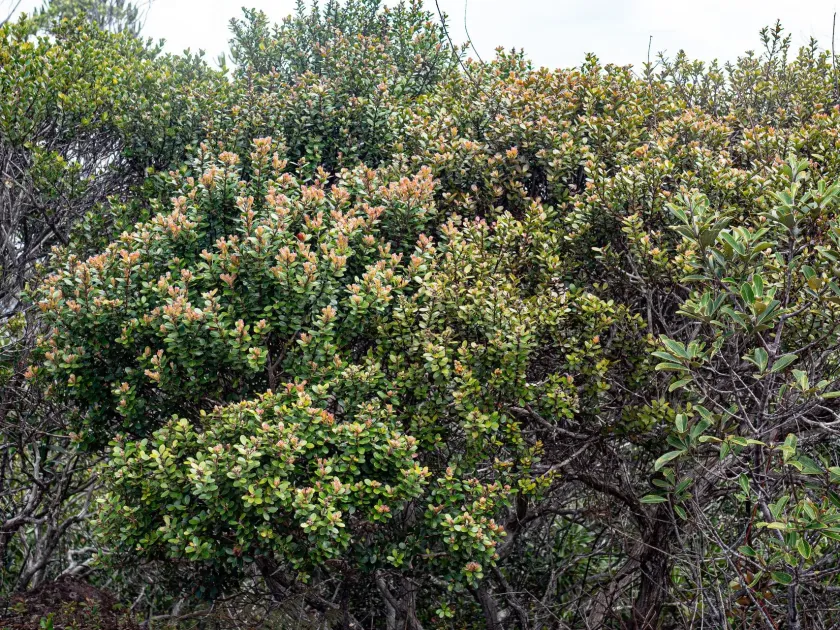
Description
Growing requirements
Tristaniopsis callobuxus is an evergreen woody species belonging to the Myrtaceae family, native to the diverse ecosystems of New Caledonia. The plant is well-known for its adaptation to specific edaphic conditions, often thriving in ultramafic soils that are challenging for many other plant species.
To cultivate this species successfully, gardeners must mimic its natural tropical environment. It requires consistent warmth throughout the year, as it lacks any cold hardiness, and thrives in high humidity conditions. Excessive cold can lead to irreversible damage to its foliage and vascular system.
Soil management for this culture involves ensuring excellent drainage, as the roots are sensitive to waterlogging. The ideal planting site should have a slightly acidic to neutral substrate, enriched with organic matter but kept loose enough to allow for deep root penetration and proper gas exchange.
Botanically, the species is characterized by its glossy, leathery leaves and a distinct habit of bark shedding in mature specimens. This process reveals smooth, colorful wood underneath, which adds significant visual interest to the plant throughout the growing season.
In terms of practical application, Tristaniopsis callobuxus is primarily utilized in ornamental horticulture and botanical conservation. It serves as an excellent specimen plant in landscape designs where tropical aesthetics are desired, contributing both texture and structure to botanical collections.