
Myrciaria vexator
Myrciaria vexator
Description
Growing requirements
Myrciaria vexator is a slow-growing evergreen tree belonging to the Myrtaceae family, native to the tropical regions of Central and South America.
The plant features glossy, dark green foliage and a dense growth habit, making it an attractive addition to tropical gardens and home orchards.
This species thrives in warm, humid climates and is highly intolerant of frost, requiring protection if temperatures approach freezing.
Soil preferences include well-drained, nutrient-rich substrates with a slightly acidic to neutral pH level, ensuring no waterlogging occurs.
While young trees benefit from partial shade, mature specimens can handle more sun, provided they receive adequate moisture throughout the year.
Yield
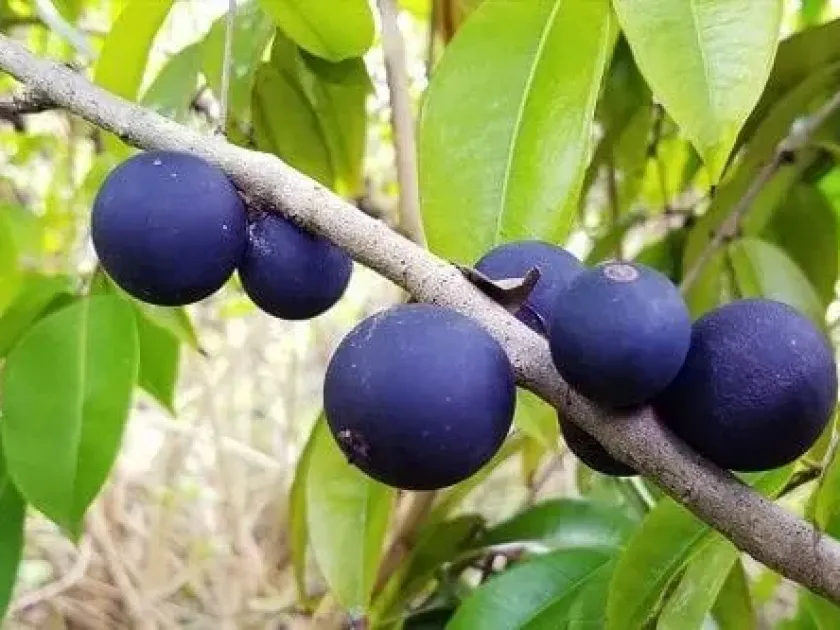
The fruits are small, berry-like drupes that resemble grapes, known for their sweet, pleasant taste often described as refreshing and tropical.
Harvesting usually involves manual picking when the skin of the fruit darkens, indicating full ripeness and optimal sugar levels.
Yields are typically modest in the early years but increase as the tree matures, with fruit production depending on consistent care and watering.
The fruits are primarily consumed fresh, although they are occasionally used in local recipes for beverages, jams, and desserts in native regions.
Due to the short shelf life after harvesting, the fruit is not a significant commercial export crop but remains popular for local consumption.
Main diseases and pests
Common issues include fungal pathogens that flourish in high-humidity environments, leading to leaf spot or root rot if soil drainage is insufficient.
Pests such as scale insects and mealybugs are frequently observed on the leaves and stems, requiring regular monitoring and integrated pest management.
Nutrient deficiencies, particularly iron or magnesium, can cause chlorosis, which may weaken the tree and reduce its ability to produce fruit.
Preventative measures involve maintaining good airflow within the canopy, proper pruning techniques, and ensuring balanced fertilization schedules.
Early detection of infestation or disease symptoms is critical to prevent spread to neighboring plants and to ensure the longevity of the specimen.