
Myrciaria tenella
Myrciaria tenella
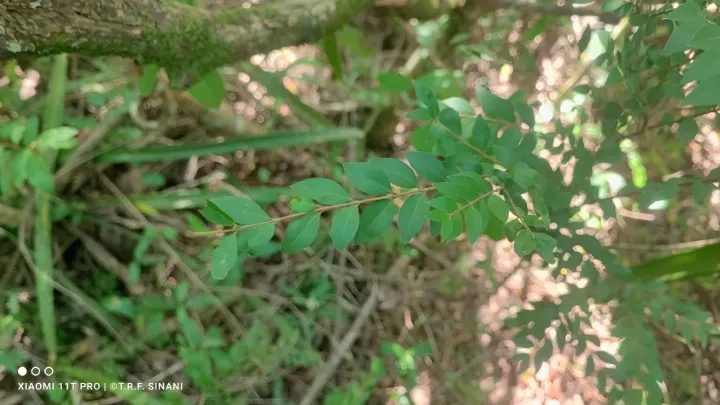
Description
Growing requirements
Myrciaria tenella is a perennial evergreen shrub or small tree belonging to the Myrtaceae family. Known for its compact habit and attractive foliage, it is a significant species in tropical horticulture, valued for both its ornamental appearance and its edible berry-like fruits.
Native to South America, particularly regions within Brazil, Argentina, and Paraguay, the plant thrives in diverse habitats ranging from tropical forests to open savanna-like landscapes. It adapts well to various soil types, provided they are fertile, well-draining, and maintain a consistent moisture level.
The climate requirements for Myrciaria tenella are strictly tropical or subtropical, characterized by warm temperatures throughout the year. It requires a sunny environment for optimal fruit production and is highly intolerant of frost, which can cause severe damage or death to the plant structure.
Agronomic management involves consistent irrigation, especially during the dry season, and periodic fertilization with organic matter to support growth. Proper pruning is essential to maintain a healthy crown structure, which helps to increase light penetration and airflow throughout the canopy.
The fruits of Myrciaria tenella are versatile and hold significant culinary potential. They are commonly consumed fresh or utilized in the preparation of jams, jellies, and refreshing beverages, making the species an interesting candidate for niche fruit production and sustainable permaculture systems.
Main diseases and pests
Root rot, caused primarily by poor drainage and waterlogged soil conditions, represents the most significant threat to the plant's survival. Maintaining a light, porous soil mix is crucial to prevent the proliferation of soil-borne fungi and ensure healthy root respiration.
Pests such as mealybugs and scale insects may infest the foliage, particularly in dry environments or during periods of stress. Early detection and the application of horticultural soaps are effective methods to manage pest populations without damaging the plant's delicate berries.
Fruit flies pose a major threat during the harvesting season, as they are attracted to the ripening fruit. Implementation of protective netting or timely harvesting is necessary to prevent significant yield losses and preserve the quality of the harvest for commercial or home use.
Powdery mildew and other leaf spot diseases may appear if the plant is grown in areas with high humidity and insufficient air circulation. Managing plant density and practicing regular pruning are key strategies to minimize the impact of these fungal threats.
Overall plant health is closely tied to balanced nutrition and favorable growing conditions. By addressing environmental stressors and monitoring for signs of infection, growers can successfully cultivate Myrciaria tenella while maintaining high plant vitality and fruit output.