
Myrciaria strigipes
Myrciaria strigipes
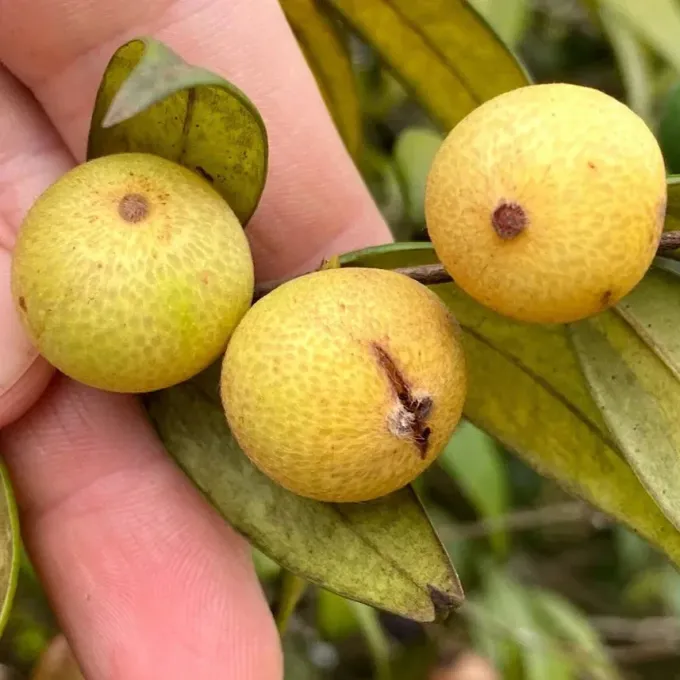
Description
Growing requirements
Myrciaria strigipes is a fruit-bearing shrub or small tree belonging to the Myrtaceae family. It is a rare botanical species closely related to the jabuticaba, native to the Atlantic forest regions of Brazil, where it thrives in humid and stable tropical environments.
The climate requirements for this plant are quite specific: it demands high humidity and constant warm temperatures. It lacks frost tolerance entirely, making it suitable for cultivation only in strictly tropical or carefully controlled greenhouse environments.
Regarding soil, Myrciaria strigipes prefers deep, fertile, and well-draining soils that are rich in organic matter. Maintaining a slightly acidic to neutral soil pH is crucial for optimizing nutrient uptake and ensuring the long-term health of the root system.
Agricultural management requires consistent irrigation protocols. The plant is highly sensitive to water stress; dry spells can cause flower abortion and reduced yields, so maintaining soil moisture levels is essential for successful commercial production.
While the tree can tolerate full sun in certain conditions, it generally thrives better in partial shade or areas with diffused light. Proper spacing is required to ensure adequate air circulation, which helps in preventing fungal issues and maintaining plant vigor.
Harvesting
Harvesting Myrciaria strigipes is a labor-intensive process, as the fruit must be picked by hand when it reaches full maturity. The berries are small with a distinct skin and sweet, succulent pulp containing seeds, making them highly desirable for fresh consumption.
The fruits have significant culinary value, being used primarily for jams, desserts, and fresh juices. Due to their perishability, immediate processing or distribution is necessary to preserve the quality and flavor profile of the crop for commercial markets.