
Myrciaria glomerata
Myrciaria glomerata
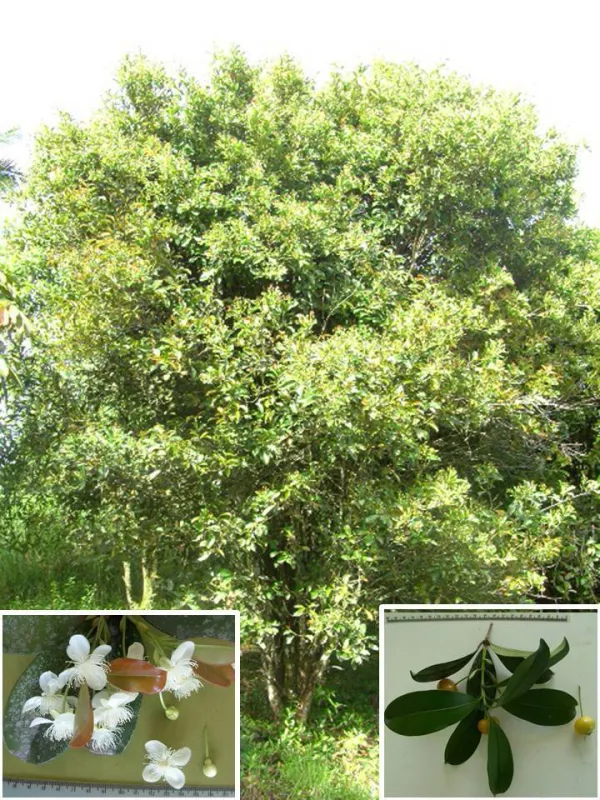
Description
Growing requirements
Myrciaria glomerata, commonly known as "cabacinha", is an evergreen tree belonging to the Myrtaceae family. Native to Brazil, this species thrives in humid tropical forest environments and is prized for its unique, small, flavorful fruits.
The plant requires deep, fertile, and well-drained soils to prosper. It is particularly sensitive to waterlogging, so maintaining adequate soil structure and ensuring proper drainage is critical for root health and overall plant vigor.
Climate requirements include high ambient temperatures, ideally ranging between 22 and 30 degrees Celsius. As a tropical species, it lacks tolerance to frost and extreme cold, requiring a stable, warm environment throughout the year to maintain productivity.
Good agricultural practice involves regular irrigation during dry periods and the application of organic mulch to retain soil moisture and suppress weed growth. Pruning is often performed to manage tree height and improve light penetration within the canopy.
Economically, Myrciaria glomerata is utilized in both small-scale farming and ornamental landscaping. Its fruits are processed into juices, jellies, and desserts, contributing to the local diversity of horticultural products in its native range.
Harvesting
Harvesting is typically conducted manually once the fruits exhibit their mature color. Due to the thin skin and soft flesh of the ripe fruit, careful handling is necessary to maintain quality for commercial distribution or immediate processing.