
Myrciaria floribunda
Myrciaria floribunda
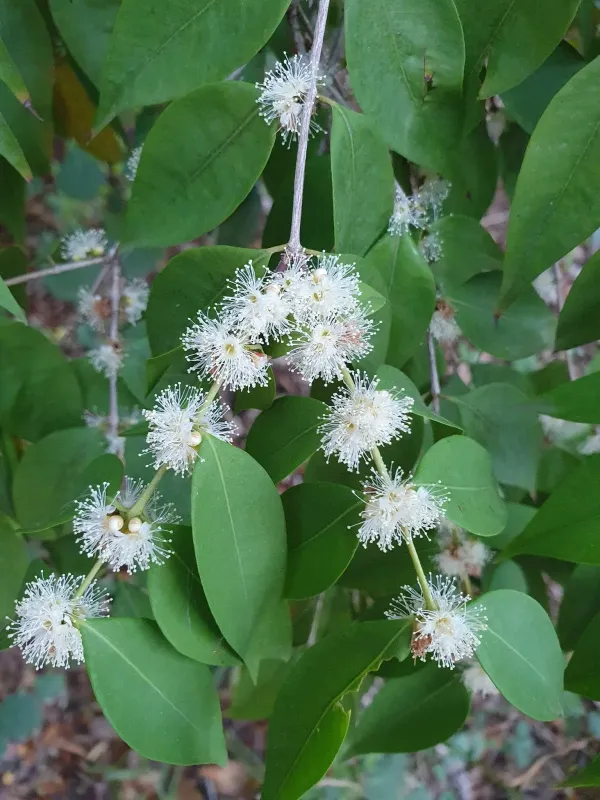
Description
Growing requirements
Myrciaria floribunda, a member of the Myrtaceae family, is a small to medium-sized evergreen tree or shrub known for its dense foliage and attractive ornamental appearance.
Originating from the tropical Americas, including the West Indies, this species thrives in humid forest habitats where consistent precipitation and high humidity are the norm.
Climate requirements for successful growth include tropical warmth, as the plant is highly sensitive to frost and cold damage, making it unsuitable for open-field cultivation in temperate regions.
Optimal soil conditions demand well-draining, nutrient-rich substrates, as the roots are prone to rotting if they remain in saturated, stagnant water for an extended period of time.
Regarding cultivation techniques, the plant requires semi-shaded environments during its initial growth stages, transitioning to full sun exposure only after becoming sufficiently established.
Yield
The primary agricultural value lies in its fruit, often called the guava-berry, which is widely utilized in the production of traditional fermented spirits, jellies, and various artisanal food products.
Main diseases and pests
The plant is susceptible to common tropical pests such as mealybugs and scale insects, which extract plant sap and significantly impair the tree's health if not managed promptly.
Fungal pathogens including leaf spot and various blights often develop under conditions of poor air circulation and excessive humidity, requiring strategic pruning to maintain a healthy crown structure.
Harvesting
Harvesting is conducted when the berries turn a deep purple to black color, indicating the optimal sugar content and peak flavor profile required for commercial or culinary applications.