
Myrciaria delicatula
Myrciaria delicatula
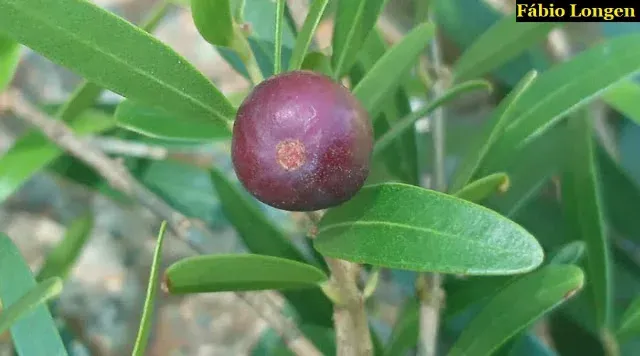
Description
Growing requirements
Myrciaria delicatula is an evergreen shrub or small tree belonging to the Myrtaceae family. It is a close relative of the Jaboticaba and is primarily native to the humid forest regions of South America, particularly Brazil.
The plant thrives in a tropical climate characterized by consistently warm temperatures and high relative humidity. It is extremely intolerant of frost and dry conditions, which limits its cultivation to specialized environments or tropical zones.
Regarding soil requirements, this culture demands fertile, well-draining substrates rich in organic matter. A slightly acidic to neutral soil pH is considered optimal for nutrient uptake and overall plant development.
Agronomic practices for this species focus on providing consistent moisture and protecting young saplings from intense, direct solar radiation. The plant requires regular maintenance, including mulching to retain soil moisture and prevent temperature fluctuations at the root zone.
The economic utility of the crop lies in its edible berries, which have local culinary importance for juices and preserves. Its compact growth habit also makes it an attractive choice for ornamental gardening in regions with matching climates.
Main diseases and pests
Fungal diseases, particularly those causing leaf spot or powdery mildew, pose a significant risk when air circulation is poor. Proper pruning to open the canopy is essential to reduce humidity levels around the foliage.
Common pests include scale insects and mealybugs, which can cause significant stunted growth. Integrated pest management strategies are recommended to maintain plant health without compromising the quality of the edible fruits.
Root rot is a major threat resulting from waterlogged soil conditions. Implementing an effective drainage system is the most critical preventative measure against these soil-borne pathogens.
Aphids often target new succulent growth, weakening the plant and potentially vectoring viral diseases. Monitoring the underside of leaves for early signs of infestation is a standard horticultural practice.
Maintaining vigorous plant health through appropriate fertilization is the best defense against environmental stress and pest attacks. Regular monitoring of the plant’s nutritional status helps ensure long-term productivity and resilience.