
Melaleuca alternifolia
Melaleuca alternifolia (Maiden & Betche) Cheel
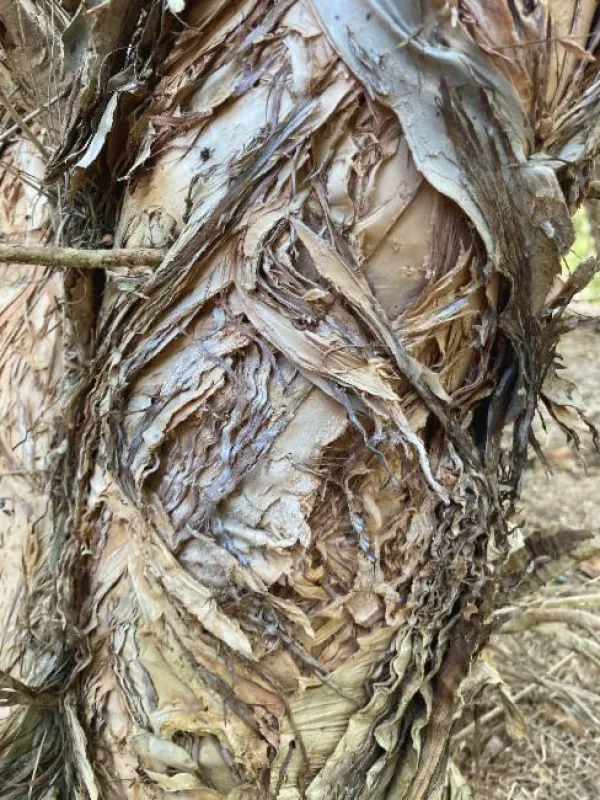
Description
Sowing dates
Melaleuca alternifolia, commonly known as the narrow-leaved paperbark, belongs to the Myrtaceae family. In commercial plantations, propagation is primarily achieved through cuttings to ensure genetic uniformity and high oil yields.
Seeds, though small, can be used for breeding programs. Sowing is conducted in controlled nursery environments with precise humidity and temperature settings to ensure high germination rates before transplantation.
Seedlings are moved to the field after the risk of frost has passed, usually at the beginning of the growing season. The soil must be well-prepared, with proper tilling and organic amendments to support rapid initial growth.
Planting density is determined by the harvesting machinery used. High-density planting is common, allowing for regular hedge trimming and consistent yields of leafy biomass throughout the year.
Initial irrigation is crucial during the establishment phase. Proper spacing is essential to ensure adequate airflow and light penetration, which are vital for healthy growth in the early stages.
Growing requirements
This species is native to the coastal regions of Australia, preferring a subtropical climate with high humidity. It requires significant warmth to thrive and is highly sensitive to severe winter freezing.
The plant is naturally adapted to moist and waterlogged soils, yet it is versatile enough to grow in various soil types provided there is a reliable irrigation system for the driest months.
Soil pH should ideally be in the slightly acidic to neutral range. Alkaline soils can lead to nutrient deficiencies, particularly iron chlorosis, which hinders the accumulation of essential oils.
Full sun exposure is a non-negotiable requirement for optimal oil production. Shaded areas significantly reduce the concentration of terpenes in the leaves, negatively impacting the final product quality.
Shelter from strong winds is recommended for young plantations. Windbreaks help maintain the necessary microclimate and protect the tender new growth from physical damage.
Yield
The primary agricultural output of Melaleuca alternifolia is tea tree oil, which is extracted via steam distillation. This oil is highly valued for its antimicrobial properties in pharmaceuticals and cosmetics.
Yields are measured in kilograms of oil per hectare. Productivity increases as the plant ages and the crown becomes denser through repeated pruning and canopy management.
Commercial varieties have been selected for high concentrations of terpinen-4-ol. Efficient agronomic management, including balanced nitrogen fertilization, ensures sustained high yields over multiple harvest cycles.
The total biomass production is heavily influenced by the frequency of cutting. Managed plantations can often sustain multiple harvests per year, provided the plants are allowed sufficient recovery time.
Processing efficiency is critical. Freshly harvested biomass must be processed immediately to prevent degradation of the volatile oil compounds by heat or oxidation.
Main diseases and pests
Melaleuca is generally resistant to many pests due to the strong natural chemical defenses in its foliage. However, this does not eliminate the need for proactive plantation management.
Fungal diseases, such as leaf rust, can occur under conditions of high humidity or poor ventilation. Implementing proper pruning cycles helps maintain air circulation within the canopy.
Root rot remains a concern if the drainage system fails. Monitoring the water table is a standard practice to prevent the roots from becoming waterlogged for extended periods.
Weed management is paramount during the first year of planting. Manual or mechanical control is preferred over extensive chemical usage to maintain the organic integrity of the crop.
Regular monitoring for boring insects or pathogens in the woody stems is advised. Early detection of such issues is essential to prevent significant losses in the plantation's productive lifespan.
Harvesting
Harvesting is performed mechanically using purpose-built harvesters that trim the upper canopy of the shrubs. This process ensures a uniform harvest height across the field.
The timing of the harvest is usually determined by the oil content, which tends to fluctuate with the seasons. Morning harvests are preferred to maximize the retention of volatile essential oils.
Quick transport from the field to the distillation unit is a standard industry practice. Prolonged storage of cut biomass leads to significant losses of the active oil constituents.
Post-harvest care involves clearing the area of heavy woody debris that may have been cut, ensuring the soil is ready for the next growth cycle and maintaining machinery access.
Proper recovery periods are essential after each cut. Fertilization programs should be aligned with the harvest schedule to support the regrowth of healthy, oil-rich foliage for the next season.