
Melaleuca spathulata
Melaleuca spathulata Schauer
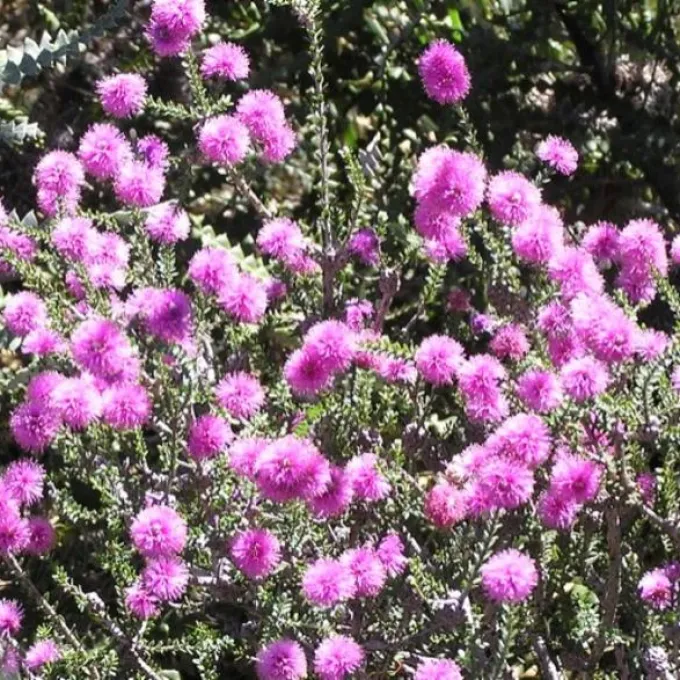
Description
Growing requirements
Melaleuca spathulata is a perennial shrub belonging to the Myrtaceae family, native to the diverse landscapes of Western Australia. It is highly valued for its unique spathulate leaves and dense, attractive flower spikes.
The plant thrives in Mediterranean and subtropical climates, requiring full exposure to sunlight for optimal growth and flowering. It is well-adapted to environments where intense light is available throughout the growing season.
Regarding soil preferences, this species requires excellent drainage to prevent root damage. It performs best in sandy or rocky soils that mimic its natural habitat and does not require heavy fertilization.
Agricultural management should focus on maintaining adequate spacing between individual plants to allow for proper airflow, which prevents the development of moisture-related issues.
Water management is critical during the establishment phase, but once the root system is well-developed, the plant exhibits remarkable drought tolerance, typical of many native Australian Myrtaceae.
Main diseases and pests
The primary threats to Melaleuca spathulata are fungal pathogens that flourish in damp, poorly ventilated environments where water stagnates near the root crown.
Insects such as scale insects and mealybugs can pose a threat by colonizing the stems and leaves, which can lead to stunted growth if left unmanaged over long periods.
Root rot, often associated with soil pathogens such as Phytophthora, remains a significant danger, especially in soils that lack proper aeration or drainage.
Proactive management includes regular monitoring of plant health and thinning of the foliage to ensure that moisture does not accumulate within the inner parts of the shrub.
Integrated pest management strategies are recommended, focusing on maintaining plant vigor through proper site selection and avoiding excessive watering protocols.