
Velvet honey-myrtle
Melaleuca velutina
Description
Growing requirements
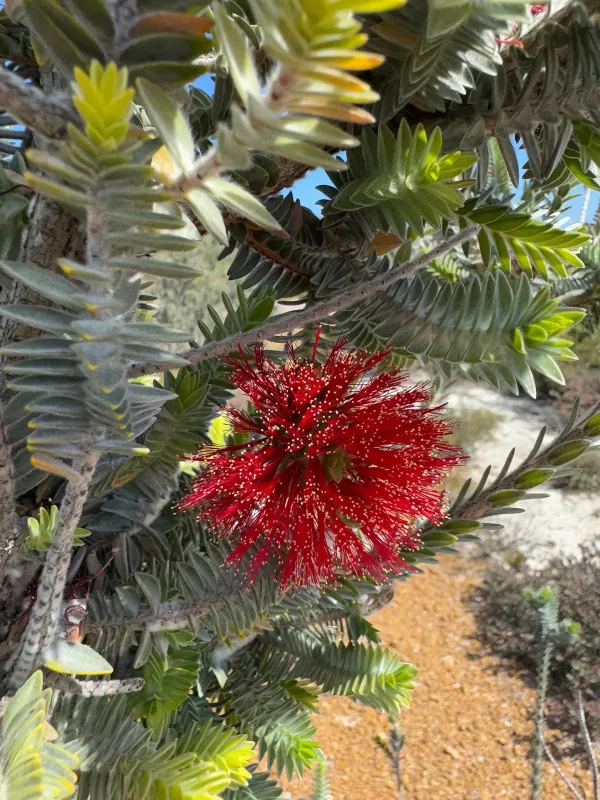
Melaleuca velutina, commonly known as velvet honey-myrtle, belongs to the Myrtaceae family. Native to Australia, this plant is recognized for its distinctive velvet-like foliage and vibrant flowers that bloom in Mediterranean-type climates.
This crop requires full sun exposure to flourish and maintain its structural integrity. It thrives in regions where the climate is temperate, as it has low tolerance for frost and freezing conditions below -5°C.
Soil requirements are specific: the crop necessitates well-drained, sandy or loamy soils with a slightly acidic to neutral pH. Proper soil structure is essential to prevent water accumulation, which the plant is highly sensitive to.
Irrigation management is crucial; while mature plants exhibit moderate drought tolerance, consistent moisture is required for juvenile stages. Overwatering is the most common cause of plantation failure.
Economically, Melaleuca velutina is valued for its potential in essential oil production and its application in urban landscaping for windbreak screens. The plant's aromatic compounds contribute to its natural pest resistance.
Main diseases and pests
Root rot is the primary threat to Melaleuca velutina, usually triggered by waterlogged conditions. Proper site selection and installation of tile drainage systems are the most effective management strategies.
Spider mites are common pests that thrive in dry, hot conditions, attacking the foliage and reducing photosynthetic efficiency. Integrated pest management, including regular water misting and biological control, is recommended.
Mealybugs can infest the nodes and soft tissues of the plant. If an infestation occurs, application of horticultural oils or systemic insecticides is necessary to protect the plant's health.
Sooty mold may appear on leaves as a secondary effect of honeydew-producing insects. Managing the primary pest population is sufficient to clear the mold in most commercial settings.
Nutrient deficiencies, particularly iron or magnesium, can occur if the soil pH is not monitored. Regular fertilization with micronutrient blends helps ensure vibrant and healthy plant growth throughout the season.