
Thyme-leaved melaleuca
Melaleuca thymifolia
Description
Growing requirements
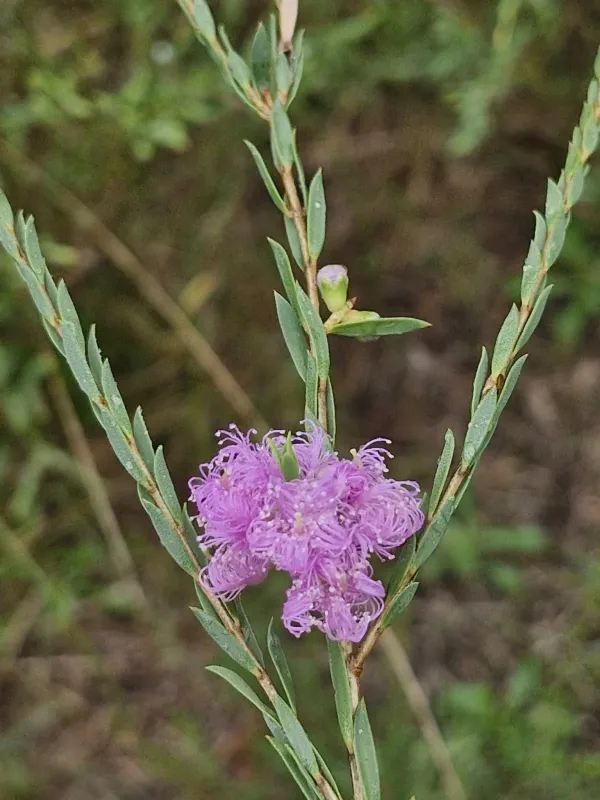
Thyme-leaved melaleuca (Melaleuca thymifolia) is a compact, evergreen shrub belonging to the Myrtaceae family. Native to the eastern coastal regions of Australia, this species is highly regarded for its attractive, narrow, thyme-like leaves and vibrant purple or pink inflorescences.
The plant thrives in full sun, which is essential for healthy foliage growth and prolific blooming cycles. While it is hardy in Mediterranean-like climates, it requires protection from severe frost and should be planted in well-drained locations to ensure long-term vitality.
Regarding soil, it prefers moist but well-drained acidic to neutral substrates. It is adaptable to various soil types, including sandy or loamy soils, provided they are not waterlogged for extended periods, as this can induce root rot in the plant's delicate root system.
Agricultural management involves routine watering during the establishment phase and summer dry spells. It is generally recommended to avoid high-phosphorus fertilizers, as species from the Melaleuca genus are evolutionarily adapted to low-phosphorus soils and may suffer from nutrient toxicity if over-fertilized.
Economically, Melaleuca thymifolia is predominantly used in landscaping and horticulture. It serves as an excellent low-maintenance ornamental shrub, often utilized in rock gardens, as a container specimen, or as a dense, manageable hedge that responds well to regular pruning.
Main diseases and pests
The primary threat to the health of the plant is root system decay, typically caused by fungal pathogens in compacted or overly wet soil environments. Improving soil structure and drainage is the most effective preventative measure.
Common insect pests include scale insects and mealybugs, which can settle on stems and undersides of leaves. Regular monitoring and, if necessary, the application of horticultural oils are standard methods for managing these pest populations effectively.