
Albizia lophantha
Melaleuca lophantha
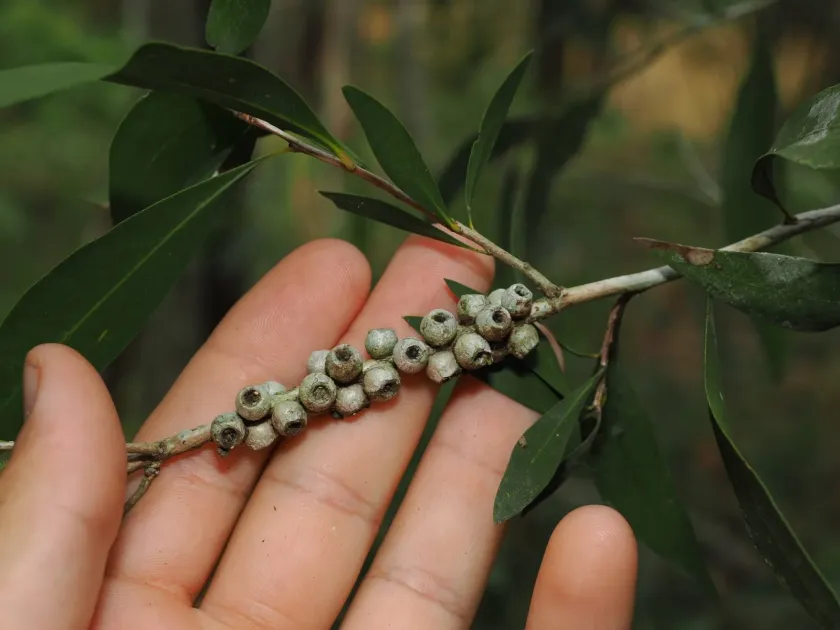
Description
Growing requirements
Albizia lophantha, often referred to as the Cape Leeuwin wattle, is a fast-growing leguminous tree native to Western Australia. It is highly valued for its fern-like foliage and unique, brush-like flower spikes that provide significant ornamental appeal.
The plant thrives in Mediterranean-type climates, requiring abundant sunlight for optimal development. It is known for its hardiness in coastal environments, showing tolerance to salt-laden winds and sandy soils that are common in its natural range.
For cultivation purposes, well-draining soil is essential. While the plant is drought-tolerant once established, young saplings require consistent moisture during their initial growth stages to build a robust root architecture.
The species acts as a nitrogen fixer, which allows it to thrive in nutrient-poor soils. This biological feature makes it an excellent candidate for land reclamation projects and soil stabilization in degraded areas where other species might struggle.
General management involves minimal fertilization, as the plant effectively extracts nutrients from the substrate. Periodic pruning is recommended to maintain a manageable size and shape, particularly in residential garden settings.
Main diseases and pests
Root rot is the primary physiological threat, typically induced by poor drainage or excessive irrigation. Ensuring a loose, aerated soil structure is the most effective preventative measure against fungal outbreaks in the root zone.
Insect pests such as aphids and scale insects are commonly observed on new growth. Regular inspection and the use of integrated pest management strategies are advised to maintain the health of the plant throughout the growing season.
Fungal leaf spots can occur under conditions of high humidity and restricted airflow. Pruning practices that facilitate canopy ventilation significantly reduce the incidence and spread of such diseases among dense plantings.
Borer insects may occasionally affect older, weakened trees. Maintaining tree vigor through proper site selection and minimal, precise pruning helps the plant defend itself against boring pest infestations.
In many regions outside its native range, the species is considered invasive due to its prolific seed production. Responsible management requires monitoring seedling emergence to ensure the plant remains contained within the designated growing area.