
Melaleuca jonesii
Melaleuca jonesii
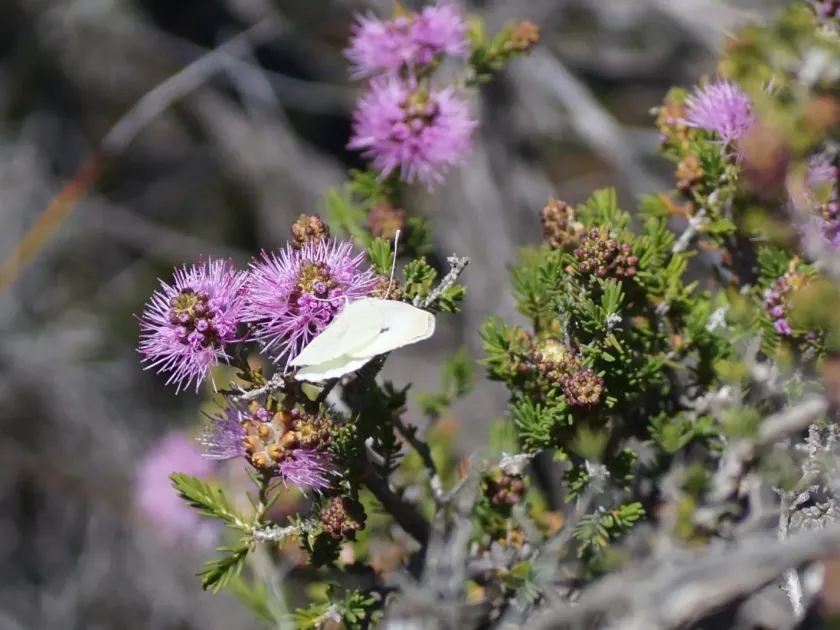
Description
Growing requirements
Melaleuca jonesii is a distinct shrub belonging to the Myrtaceae family, native to the western regions of Australia. Known for its compact habit, it is highly valued as a botanical specimen in specific climatic zones.
The plant thrives in well-drained, sandy or gravelly soil profiles. As a xerophytic species, it is physiologically adapted to arid environments, requiring excellent aeration for its root system to function effectively.
Agronomic management requires full sun exposure to stimulate flowering and maintain the plant's health. Shaded conditions lead to weak growth and increased susceptibility to opportunistic pathogens.
Water requirements should be managed with caution; while established plants are drought-tolerant, supplemental irrigation during the initial establishment phase is necessary for proper root development.
Fertilization should be handled with extreme care due to the plant's natural sensitivity to phosphorus. Using phosphorus-free or low-phosphorus fertilizers is essential to avoid toxicity, which is common in many Australian native flora.
Main diseases and pests
The most significant threat to Melaleuca jonesii is root rot caused by Phytophthora species. This condition is triggered by waterlogged soil conditions and poor drainage, leading to rapid decline.
Pest issues often include infestations of scale insects and aphids, which feed on the sap of the plant. These pests can weaken the shrub, making it susceptible to secondary infections.
Fungal leaf spots can occur in environments with high humidity and poor air circulation. Improving airflow through appropriate plant spacing is a key preventative measure for commercial nurseries.
Monitoring the plant for signs of stress, such as yellowing leaves or wilting, is crucial. Early detection allows for the application of targeted horticultural oils or systemic insecticides to manage pest populations.
Maintenance of high hygiene standards, including the disinfection of pruning tools, is essential to prevent the mechanical transmission of viral and fungal pathogens between plants.