
Melaleuca irbyana
Melaleuca irbyana
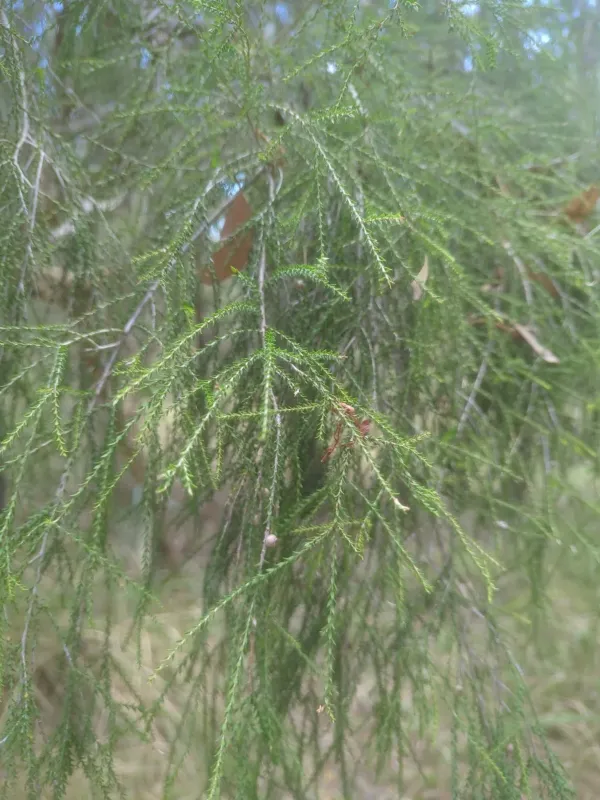
Description
Sowing dates
Propagating Melaleuca irbyana is typically achieved through seeds or cuttings in a controlled nursery environment. The seeds are very fine, requiring surface sowing on a moist, well-draining substrate without covering them with soil.
Spring is the ideal time for sowing in subtropical regions, as the warming temperatures support rapid germination. Seed trays should be kept in a greenhouse or under tunnel covers to maintain a consistent high-humidity environment.
Cuttings are preferred when clonal propagation is necessary to ensure the uniformity of the plants. Semi-hardwood cuttings of approximately 10 centimeters are taken during the active growth phase and treated with rooting hormones.
Seedlings need to be kept moist constantly during the initial development stages, as they are susceptible to desiccation. Once the first true leaves appear, the frequency of watering can be gradually reduced to encourage root strengthening.
Transplanting into individual containers occurs after the seedlings reach a height of about 20 centimeters. A gradual hardening-off process is essential before moving the plants to their final outdoor location.
Growing requirements
Melaleuca irbyana, a member of the Myrtaceae family, is a small to medium-sized tree native to eastern Australia. It is highly valued for its ability to thrive in seasonally inundated soils and challenging hydrological conditions.
The species prefers full sun exposure to maintain its dense foliage and typical growth habit. While it can survive in partial shade, the best results are achieved in locations with optimal solar input throughout the day.
Regarding soil preferences, it is adaptable to various types, including clay and sandy loams. However, it thrives best in acidic to neutral soils with good aeration; excessively stagnant water should be avoided for long-term health.
Climate adaptability is limited to warm temperate and subtropical zones. The plant requires protection from severe frost, which can cause tissue damage to young branches and reduce the overall vigor of the tree.
During the first two years after planting, regular irrigation is vital to establish a robust root system. Once mature, the tree exhibits significant drought tolerance due to its naturally evolved physiological mechanisms.
Main diseases and pests
The primary threats to this species include fungal leaf spots and blights, particularly in humid climates with poor air circulation. Proper spacing between trees is crucial to mitigate these risks and promote healthy transpiration.
Insects like scale insects and aphids may occasionally infest young terminal shoots, causing leaf yellowing and stunted growth. Integrated pest management, including horticultural oils, is effective in controlling such populations.
Root rot, often caused by pathogens such as Phytophthora, can occur if the soil remains waterlogged for extended periods. Improving soil drainage and avoiding excess fertilization are key preventive agronomic practices.
Mycoplasma-like organisms can lead to phyllody and other growth abnormalities, which require the removal and destruction of affected plant material. Biosecurity measures within the plantation help prevent the spread of these agents.
A proactive approach to plant health, characterized by regular monitoring and maintenance of soil pH, significantly improves the resistance of Melaleuca irbyana to common environmental stresses and pathogens.