
Melaleuca howeana
Melaleuca howeana
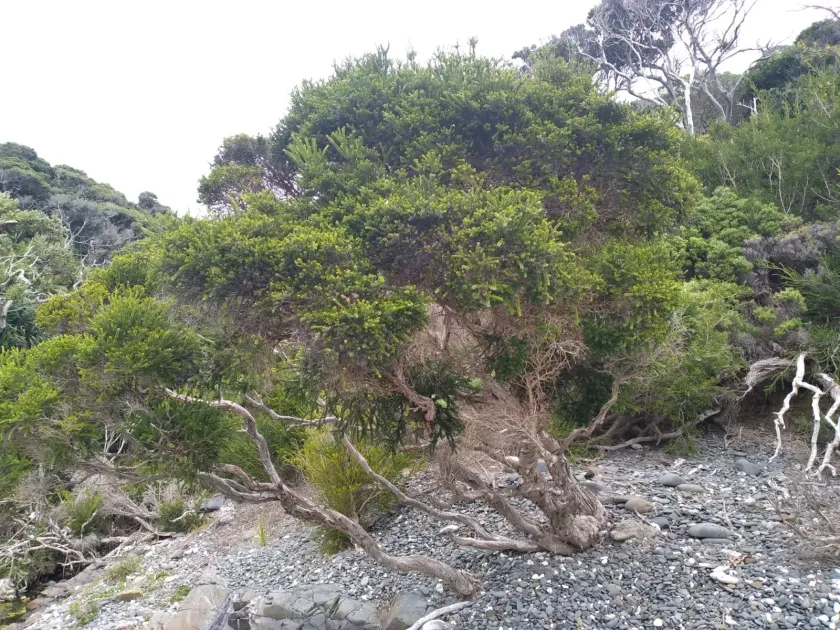
Description
Growing requirements
Melaleuca howeana, a member of the Myrtaceae family, is an evergreen shrub native to Lord Howe Island. It is highly regarded in horticulture for its resilience and unique aesthetic qualities.
This species thrives in sunny, well-lit environments. It is naturally adapted to coastal conditions, making it an excellent candidate for gardens exposed to salt-laden winds and intense sunlight.
The plant requires well-draining soil to prevent root rot. It performs best in slightly acidic to neutral soil compositions, avoiding heavy or waterlogged ground at all costs.
Climatically, it is suited to mild, frost-free regions. In areas prone to heavy winter freezes, cultivation in pots is recommended, allowing for winter protection indoors or in a greenhouse.
Commercially and ornamentally, the plant is utilized for hedging, privacy screening, and as a structural element in coastal landscapes due to its dense, evergreen foliage and habit.
Main diseases and pests
The primary concern for Melaleuca howeana is soil moisture management. Poor drainage frequently leads to root pathogens, which can rapidly compromise the health of the entire shrub.
Pests such as scale insects or mealybugs may occur, particularly if the plant is stressed or grown in poorly ventilated conditions. Regular inspections are advised to catch early infestations.
Fungal issues are often linked to overcrowding or lack of airflow. Periodic pruning is essential to thin the canopy, improve light penetration, and ensure that foliage stays dry.
Nutrient deficiencies, specifically iron chlorosis, can occur if the soil pH is not suitable. Using iron-chelated fertilizers can rectify leaf yellowing and support vigorous growth.
Maintaining a healthy plant through proper spacing and regular monitoring significantly reduces the risk of pest and disease outbreaks. Prevention is key to successful long-term cultivation.