
Melaleuca groveana
Melaleuca groveana
Description
Growing requirements
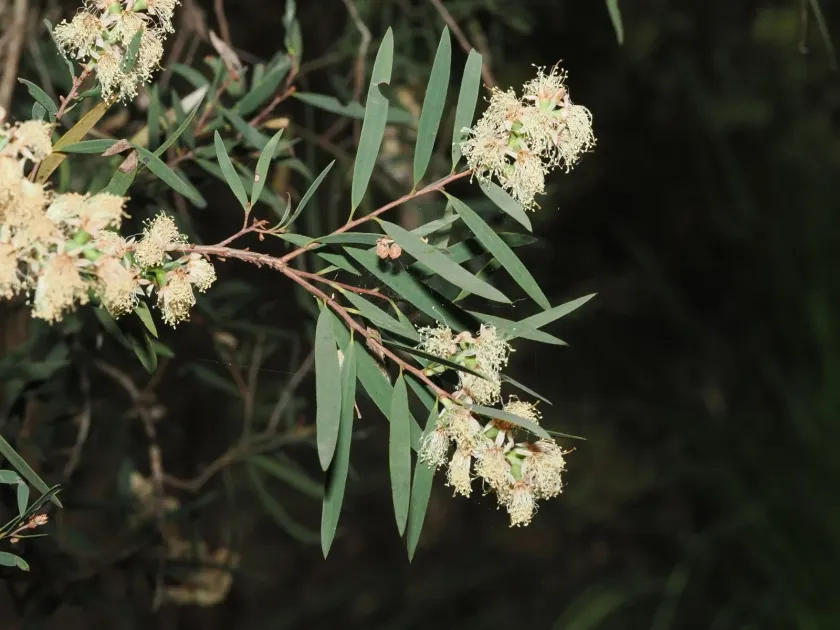
Melaleuca groveana is a unique species of evergreen shrub or small tree belonging to the Myrtaceae family. Native to the eastern coast of Australia, it is known for its narrow, aromatic leaves and beautiful flowers that resemble bottle brushes, typical of the genus.
The plant thrives in regions with warm, maritime climates, often found in coastal forests and areas with high soil moisture. It is a moisture-loving species that performs exceptionally well in swampy soils or areas prone to seasonal inundation.
For cultivation, well-draining yet moisture-retentive soil is essential. While the plant prefers acidic soil conditions, it is generally adaptable to a variety of substrates as long as they are rich in organic matter and provide sufficient aeration for the roots.
Sun exposure is a critical factor for the development of Melaleuca groveana. It requires at least six to eight hours of direct sunlight daily to produce dense foliage and prolific blooms. In regions with freezing winters, it should be grown in containers and moved indoors.
Maintenance involves routine pruning to manage the size of the tree and to encourage branching. As a member of the Myrtaceae family, it is sensitive to high phosphorus levels, so using slow-release fertilizers specifically designed for Australian native plants is recommended.
Main diseases and pests
The primary concern for Melaleuca groveana is root rot, particularly in container-grown plants where drainage is suboptimal. Ensuring that the soil does not stay waterlogged for extended periods is the most effective preventative measure.
Pests such as scale insects and spider mites are common threats, especially when the plant is kept in dry, indoor conditions. These pests can cause leaf yellowing and stunted growth if not addressed with insecticidal soaps or horticultural oils.
Fungal leaf spot diseases can occur during humid, stagnant periods. Improving air circulation around the canopy is essential to prevent moisture build-up that encourages fungal spore germination.
Nutrient imbalances, particularly iron or magnesium deficiency, can sometimes manifest as chlorosis. Providing a balanced fertilizer with trace minerals helps maintain the health and vibrant color of the foliage.
Regular monitoring of the plant for any signs of physical damage or discoloration allows for early intervention. Healthy plants are generally resistant to most common garden pests and diseases, provided their environmental needs are fully satisfied.