
Melaleuca gilesii
Melaleuca gilesii
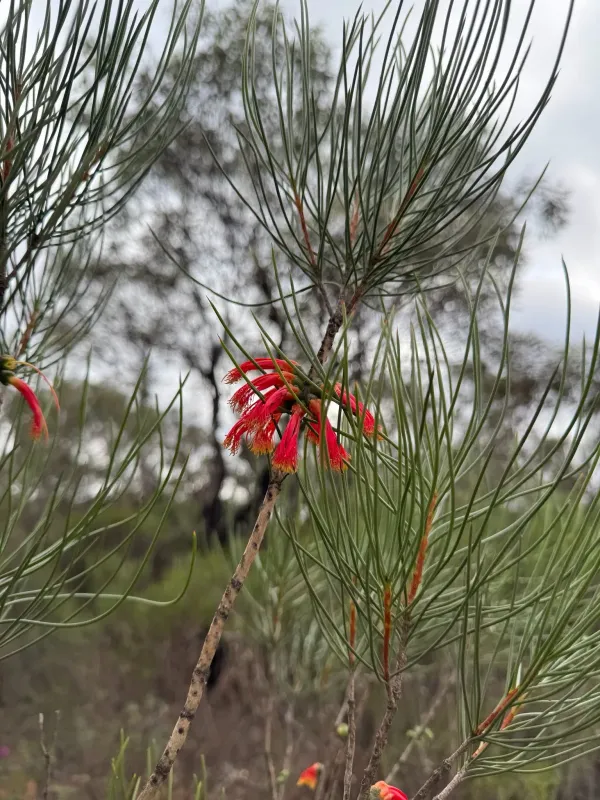
Description
Growing requirements
Melaleuca gilesii is a distinctive species of the Myrtaceae family native to the arid regions of Australia. This evergreen shrub is highly regarded for its ability to thrive in challenging environmental conditions where water is limited.
The plant requires full sun exposure to maintain its structural integrity and encourage vigorous flowering. Placing the shrub in a well-lit area is essential for its development and overall health during the growing season.
Soil conditions must be characterized by excellent drainage. Sandy or stony soils are ideal as they prevent water accumulation around the root system, which is a common cause of failure in cultivating this species.
Temperature tolerance is a hallmark of this plant, making it well-suited for hot climates. While it can withstand intense heat, it is advisable to provide shelter from harsh, freezing winds during its early stages of development.
Maintenance involves minimal irrigation once the plant is established. However, during the initial planting phase, consistent watering is necessary to support root establishment and help the plant adapt to its new environment.
Main diseases and pests
Root rot is the most significant threat to Melaleuca gilesii, often triggered by excessive moisture and poor soil aeration. To mitigate this risk, growers must ensure that the planting site has a natural or artificial drainage system.
Insect pests, such as scale insects and mealybugs, are frequently observed on the stems and foliage of the plant. These pests feed on plant sap and can cause significant damage if populations are not managed effectively.
Cultural control measures, such as proper pruning, improve airflow within the canopy and reduce the likelihood of fungal outbreaks. Removing deadwood keeps the plant vigorous and reduces the hiding spots for potential pests.
Integrated pest management (IPM) is recommended to control infestations. The use of insecticidal soaps or horticultural oils can be very effective in managing soft-bodied insects without causing harm to the ecosystem.
Regular monitoring of the foliage is crucial for early detection of issues. By keeping the plant clean and avoiding over-fertilization, you can maintain the natural resistance of the shrub against common horticultural diseases.