
Melaleuca gibbosa
Melaleuca gibbosa
Description
Growing requirements
Melaleuca gibbosa is an evergreen shrub belonging to the Myrtaceae family. Native to southeastern Australia and Tasmania, this plant is well-adapted to swampy, moist habitats, often found in heathlands and near coastal wetlands.
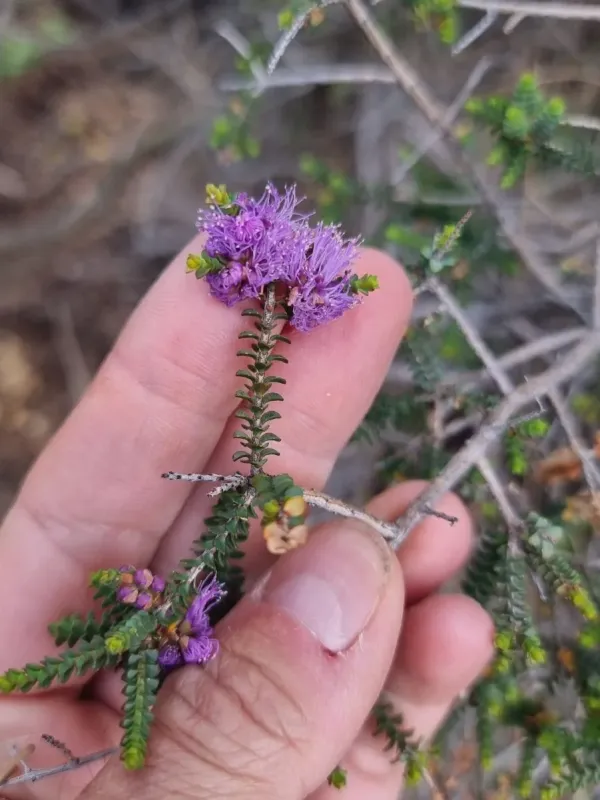
Botanically, it is recognized by its small, dense, ovate leaves and its woody stem structure. The plant produces distinctive flowers that are often purple to mauve in color, arranged in terminal spikes or heads, typical of the genus.
This species requires high light intensity to thrive and maintain its dense growth habit. While it is naturally adapted to moisture, it benefits significantly from well-drained, acidic to neutral soil structures that prevent root asphyxiation.
Climatic requirements focus on a temperate environment. Although Melaleuca gibbosa can tolerate mild frost, it is not considered cold-hardy in severe climates and should be protected during winter months if cultivated outside its natural range.
Regarding agrotechnical practices, consistent irrigation is vital for young plants to establish their root systems. Once matured, the plant shows better resilience, but supplemental watering during peak summer heat remains beneficial for growth.
Main diseases and pests
The primary threats to Melaleuca gibbosa include root rot pathogens caused by Phytophthora or similar fungi when the soil remains waterlogged for extended periods. Proper soil aeration is the best preventive measure.
Insect pests, particularly spider mites and scale insects, frequently target the dense foliage of the plant. These pests thrive in dry conditions, making humidity management a core component of integrated pest management strategies.
Chemical control involving systemic insecticides may be necessary during severe outbreaks. However, professional agronomists prioritize biological controls and physical removal of infested foliage to maintain plant health and reduce chemical residues.
Fungal leaf spots can occur when the canopy lacks proper air circulation. Pruning should be performed to maintain an open structure, ensuring that light and air reach the inner parts of the shrub to reduce the humidity levels near the stems.
Field monitoring should be continuous throughout the growing season. Early detection of chlorosis or leaf drop provides critical indicators of underlying issues, such as nutrient deficiencies or emerging pest populations that require immediate intervention.