
River tea tree
Melaleuca fluviatilis
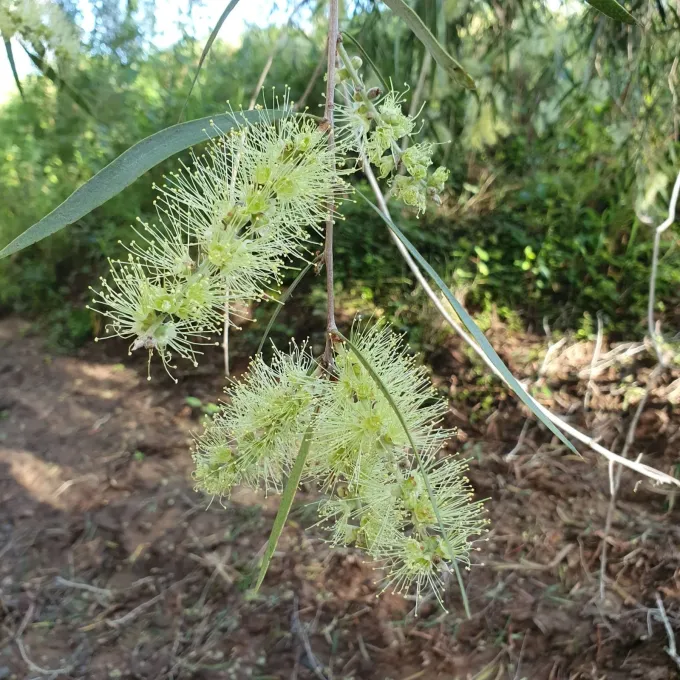
Description
Growing requirements
The river tea tree (Melaleuca fluviatilis) is a member of the Myrtaceae family, well-adapted to habitats characterized by high moisture levels and proximity to water sources.
For successful cultivation, this species requires well-drained but consistently moist soil conditions, demonstrating high tolerance for environments with fluctuating water tables.
Climatically, the plant thrives in tropical and subtropical zones, requiring ample sunlight and protection from severe frosts that can damage the soft leaf tissue.
Soil quality management involves monitoring pH levels, as the species generally prefers slightly acidic to neutral soils to maximize nutrient uptake.
Optimal growth cycles are achieved through precise moisture management, ensuring that the root system stays hydrated without becoming waterlogged in stagnant conditions.
Yield
The primary economic value of the river tea tree is its foliage, which is harvested for the extraction of essential oils containing significant bioactive compounds.
Mechanical harvesting of the branches is common practice, followed by steam distillation to process the essential oils used in the pharmaceutical and cosmetic industries.
The wood of the tree is recognized for its exceptional durability and water resistance, providing high-quality material for specialized construction and fencing.
Integrating Melaleuca plantations into agricultural land serves a dual purpose: commercial production of oils and bio-drainage of waterlogged fields.
The flowering period provides a consistent resource for apiaries, confirming the plant's role as a vital contributor to honey production in local ecosystems.
Main diseases and pests
Fungal pathogens represent the most significant threat, particularly those targeting roots and foliage under conditions of poor air circulation and excessive humidity.
Pest pressures primarily come from sap-sucking insects, such as scale insects and spider mites, which can significantly reduce oil yield by weakening the trees.
Root rot remains a concern if the soil profile does not provide adequate oxygen, leading to physiological stress that makes the plant susceptible to secondary infections.
Management strategies include canopy thinning to increase airflow and the application of biological controls to keep pest populations below the economic injury level.
- Sanitary pruning of infected branches
- Regular scouting for early signs of fungal spots
- Monitoring soil drainage efficiency
- Maintaining diverse crop margins to encourage predators