
Lemon bottlebrush
Melaleuca citrina
Description
Growing requirements
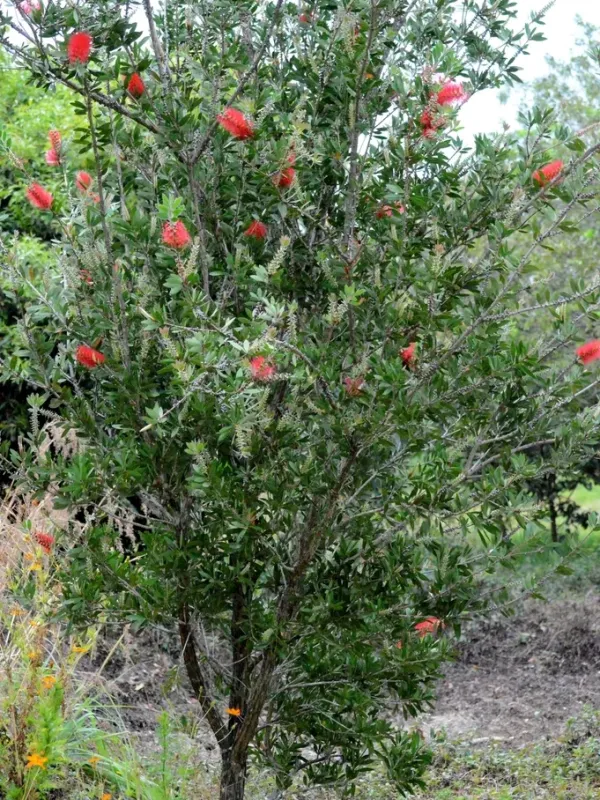
Lemon bottlebrush (Melaleuca citrina) is a member of the Myrtaceae family. Native to eastern Australia, this evergreen shrub or small tree is prized for its unique aesthetic and aromatic leaves.
The plant features distinct inflorescences shaped like cylindrical spikes, resembling a bottle brush, created by a high density of vibrant, long stamens that attract pollinators.
This crop requires full sun exposure to thrive and produce its signature flowers. It is adapted to Mediterranean climates and prefers areas that do not experience prolonged, deep frosts.
Optimal growth is achieved in well-drained soil with a slightly acidic to neutral pH. It is essential to ensure excellent drainage, as the roots are sensitive to waterlogging and can quickly succumb to rot.
Beyond its ornamental value in landscaping, the plant is economically significant as a source of essential oils. Its leaves produce oils with antiseptic properties, widely used in various medicinal and aromatic applications.
Main diseases and pests
The most common pests affecting this shrub include spider mites, mealybugs, and scale insects, which frequently target the foliage and stems in environments with low humidity.
Overwatering is the primary cause of root rot, a devastating fungal disease that severely limits the plant's ability to absorb water and nutrients from the soil.
Chlorosis, manifesting as yellowing leaves, is often a symptom of improper pH levels or nutrient deficiencies caused by poor water quality, specifically high alkalinity.
Disease management requires a proactive approach including systemic insecticides for pest control and proper sanitation to prevent the spread of fungal pathogens within the canopy.
Regular pruning is a vital agronomic practice that improves airflow through the branches, reducing the humidity levels that favor fungal development and maintaining overall plant vigor.