
Luma apiculata
Luma apiculata (DC.) Burret
Description
Growing requirements
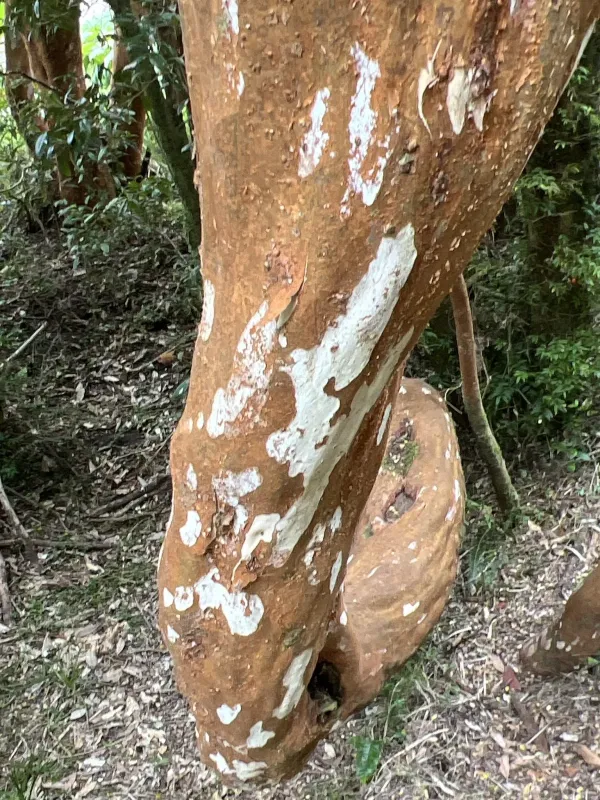
Luma apiculata, commonly known as the Chilean myrtle, is a slow-growing, evergreen tree or shrub belonging to the Myrtaceae family. It is highly valued for its striking, cinnamon-colored bark that peels away to reveal lighter, smooth layers beneath, creating a distinct aesthetic appeal throughout the seasons.
Native to the temperate rainforests of Chile and Argentina, this plant thrives in regions with high humidity and mild winters. It prefers sites sheltered from harsh, drying winds, which can damage its fine, aromatic foliage and cause moisture loss in the leaf tissues during colder months.
The cultural requirements for Luma apiculata focus on providing deep, fertile, and well-drained soil. While it appreciates moisture, it will not tolerate waterlogged conditions, which are a primary cause of root-related failures in cultivated settings. Proper soil preparation with organic matter is recommended.
Botanically, the species is known for its dense, glossy dark-green leaves and its delicate, fragrant white flowers that bloom in late summer. Following the flowering phase, the plant produces small, dark purple-black berries which are edible and possess a sweet, pleasant taste, often utilized in artisanal food production.
In terms of landscape use, Luma apiculata serves as an excellent specimen plant or hedge due to its tolerance to clipping and shaping. It is increasingly utilized in climates that mimic its Mediterranean or maritime origin, where it provides year-round structure and vibrant, seasonal interest to garden designs.
Main diseases and pests
Luma apiculata can be susceptible to various fungal pathogens, particularly in poorly ventilated or excessively damp environments. Root rot, primarily caused by Phytophthora species, remains the most significant threat, often leading to rapid decline if the drainage is not optimized.
Scale insects and mealybugs are the most common pests encountered on this species. These insects attach themselves to the stems and undersides of leaves, extracting vital fluids and secreting honeydew, which subsequently fosters the growth of sooty mold and inhibits leaf function.
Management of these pests involves careful monitoring and the application of horticultural oils or systemic insecticides when outbreaks reach an economic threshold. Pruning is also an essential tool for plant health, as it improves air circulation, which naturally limits the spread of fungal spores.
Adequate soil nutrition is essential for maintaining a strong defensive barrier against infestations. Applying balanced fertilizers during the active growing season ensures that the plant has enough energy to repair tissue and maintain its internal metabolic processes under moderate stress.
Preventative measures during planting, such as selecting a site with appropriate soil structure and avoiding deep planting, can significantly reduce the risk of future disease pressure. Maintaining consistent soil moisture, rather than cycles of drought and flooding, helps the plant sustain its internal health.