
Leptospermum wooroonooran
Leptospermum wooroonooran
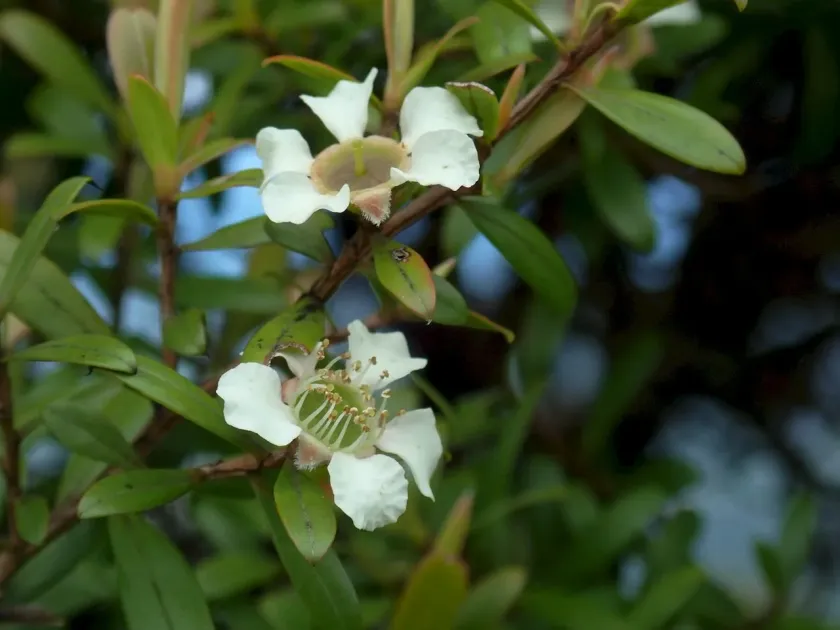
Description
Growing requirements
Leptospermum wooroonooran is a distinctive shrub belonging to the Myrtaceae family, native to the high-altitude regions of Queensland, Australia. This species is specifically adapted to cool, misty, and high-rainfall environments, typically found on mountain summits.
In cultivation, this plant requires highly specific soil conditions. It thrives in acidic, well-draining, and nutrient-poor substrates, similar to the rocky granite soils of its natural habitat. Proper aeration of the root system is the most critical factor for survival.
The climate requirements for this species include maintaining cool temperatures throughout the growing season. It is not tolerant of heat stress or direct, intense sun, preferring the diffused light characteristic of mountain cloud forests.
High relative humidity is essential for the healthy development of foliage. However, this humidity must be combined with excellent air circulation to prevent the onset of fungal infections and physiological stress.
Nutrient management should be approached with caution. As a member of the Myrtaceae family, it is sensitive to high levels of phosphorus; therefore, fertilizer applications should be limited to specialized low-phosphorus formulas designed for native plants.
Main diseases and pests
The most significant threat to Leptospermum wooroonooran is root rot caused by Phytophthora pathogens. These soil-borne fungi thrive in saturated conditions, making proper drainage the primary defense against them.
Pest issues frequently involve spider mites and mealybugs, especially when the plant is kept in environments with low air humidity or poor ventilation. Early detection is crucial for effective management.
Cultural control methods are preferred, including frequent inspection of leaf undersides and maintaining high environmental humidity. If chemical treatment is necessary, only mild horticultural soaps or oils should be applied.
Systemic diseases are often the result of improper cultivation practices rather than direct pest attack. Therefore, maintaining the health of the root system through precise watering is the best preventive strategy.
Regular sanitation, such as removing dead twigs or fallen leaves, helps reduce the inoculum levels of potential pathogens and ensures that the plant remains vigorous and resilient to environmental stressors.