
Creeping Leptospermum
Leptospermum humifusum
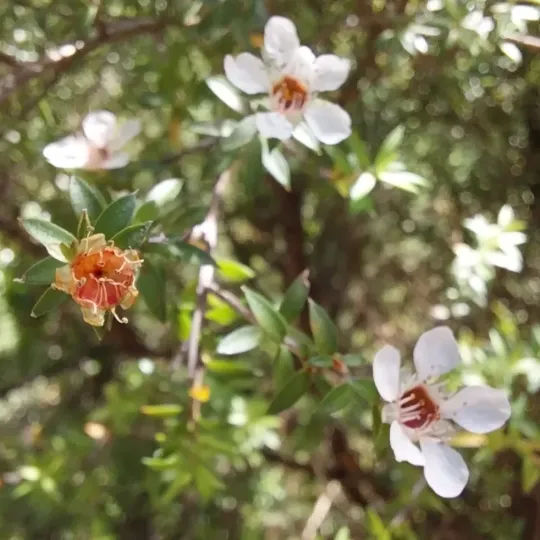
Description
Growing requirements
Creeping Leptospermum (Leptospermum humifusum) is a low-growing, prostrate evergreen shrub belonging to the Myrtaceae family. Native to the alpine and subalpine regions of Australia, this species is prized for its hardy nature and dense, mat-forming habit.
Cultivation requires well-drained, acidic soil conditions to thrive. It is essential to ensure that the planting medium is low in phosphorus, as species within the Myrtaceae family are notoriously sensitive to excessive phosphate levels in the soil.
The plant prefers a cool to temperate climate with plenty of bright, indirect sunlight. While it is adapted to cold environments, protection from harsh, desiccating winds and extreme winter temperatures is recommended for plants cultivated in containers or non-native regions.
Agricultural practices for this species focus on water management. Consistent but moderate irrigation with soft or rainwater is preferred; avoiding hard water is crucial to maintain the soil's pH balance and prevent leaf yellowing.
In landscaping, it serves as an excellent groundcover, particularly for rock gardens, sloped embankments, and alpine-themed borders. Its ability to create dense, weed-suppressing foliage makes it a functional and aesthetic choice for garden design.
Main diseases and pests
The most significant threat to the plant's health is root rot, typically caused by waterlogged soil conditions. Ensuring perfect drainage is the primary defense against pathogens that compromise the root system of this species.
Common insect pests include spider mites and mealybugs, which thrive in protected or overly dry environments. Regular scouting and the application of horticultural oils can effectively manage these populations before they cause significant damage.
Fungal leaf spots can develop during periods of high humidity and poor airflow. Pruning to maintain space between foliage and ensuring proper ventilation are essential cultural practices to reduce the risk of infection.
Nutrient deficiencies, particularly iron chlorosis, can occur if the soil pH becomes too alkaline. This is managed by amending the soil with organic matter and specific micronutrient fertilizers designed for acid-loving plants.
Preventative maintenance includes a light trim after the flowering season to encourage compact growth and remove dead wood. This practice keeps the plant vigorous and reduces the surface area susceptible to opportunistic fungal attacks.