
Leptospermum squarrosum
Leptospermum squarrosum
Description
Growing requirements
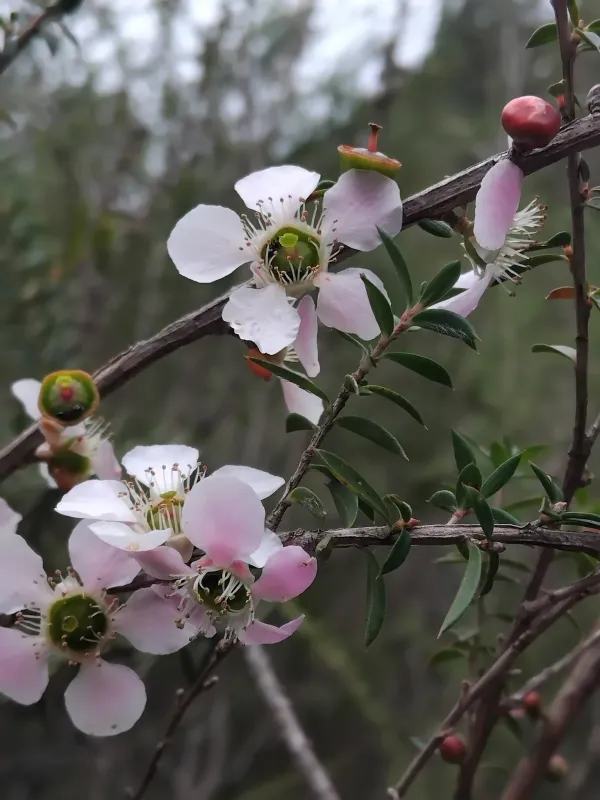
Leptospermum squarrosum is an evergreen shrub belonging to the Myrtaceae family, native to the coastal regions of New South Wales, Australia, where it thrives in diverse habitats.
The plant requires full sun exposure to flourish, as limited light results in sparse foliage and a significant reduction in the number of flowers produced annually.
Cultivation success depends on well-draining, acidic, sandy soils; the species is highly intolerant of waterlogged conditions, which frequently cause root rot.
In terms of temperature, this shrub prefers temperate climates and is sensitive to heavy frosts; in colder zones, container cultivation is recommended for easier protection.
Regular maintenance involves pruning after the flowering season, which helps to maintain the shrub's architectural structure and encourages dense, bushy growth for the next cycle.
Main diseases and pests
The primary threats to this culture are various root pathogens that proliferate in heavy or poorly drained soils, leading to plant decay.
Pest issues include sap-sucking insects like scale insects and mealybugs, which tend to accumulate on stems and the undersides of leaves.
Aphid infestations can occur during periods of active vegetative growth, particularly in protected environments like greenhouses or sheltered gardens.
Monitoring for signs of sooty mold is essential, as it often develops on the honeydew secreted by sap-sucking pests, indicating a secondary infection.
Integrated pest management, including the use of horticultural oils and systemic insecticides, is the most effective approach to preserving crop health.
Harvesting
Leptospermum squarrosum is highly valued in commercial floriculture for its decorative foliage and long-lasting floral branches used in premium bouquets.
Harvesting is typically scheduled when the majority of buds are open, ensuring that the visual appeal is at its peak for the end consumer.
Post-harvest handling involves immediate rehydration and storage in cool conditions to prevent dehydration of the delicate woody stems.
Professional growers use specialized flower food solutions to extend the vase life of the branches, significantly improving their commercial durability.
Transportation of the harvested material must be conducted with care to prevent physical damage to the small, rigid leaves and delicate flower petals.