
Shining tea tree
Leptospermum nitidum
Description
Growing requirements
The shining tea tree (Leptospermum nitidum) is a woody shrub belonging to the Myrtaceae family. It is native to the coastal regions of Tasmania and southeastern Australia, where it thrives in sandy, acidic soils near damp heathlands.
To cultivate this species effectively, one must provide a soil medium with a low pH, typically ranging between 5.0 and 6.5. High drainage is critical, as the plant's fine root system is highly susceptible to rot when exposed to waterlogged conditions.
The plant demands full sun exposure to maintain its compact growth habit and promote prolific flowering. While it thrives in mild climates, in colder zones, it must be grown in containers and moved to a frost-free environment during the winter months.
Water management is the cornerstone of Leptospermum cultivation. It requires consistent moisture, especially during the active growing season, but the soil should never become saturated. Rainwater or acidified tap water is preferred over hard water to prevent nutrient lock-out.
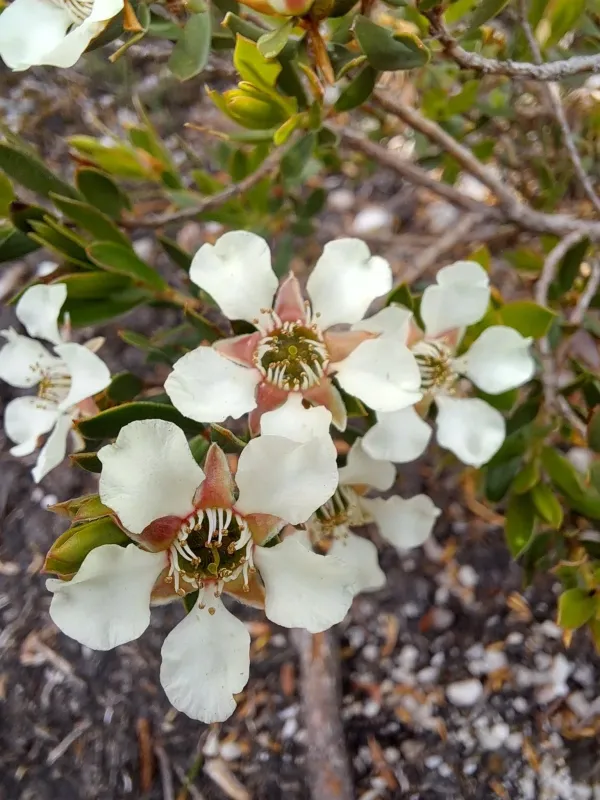
The plant features small, glossy, lanceolate leaves and white to pale pink flowers that appear in late spring and early summer. It is a highly valued ornamental crop, often used in landscaping for its distinct texture and aesthetic appeal.
Main diseases and pests
The most significant pathological threat to the shining tea tree is Phytophthora cinnamomi, a soil-borne pathogen that causes root rot. Strict adherence to sanitation practices and ensuring excellent drainage are the primary defense mechanisms against this threat.
Two-spotted spider mites are the most common insect pests encountered in controlled environment growing. These mites thrive in hot, dry conditions, making leaf misting and proper humidity control essential preventative measures.
Scale insects can occasionally infest the stems, resulting in stunted growth and the production of honeydew, which may lead to secondary sooty mold infection. Horticultural oil sprays are recommended for the management of these localized outbreaks.
Nutrient deficiency, particularly iron chlorosis, occurs if the soil pH becomes too alkaline. This is treated with iron chelate applications, which restore the vibrant green color of the foliage and ensure healthy photosynthetic activity.
To prevent the spread of diseases, all pruning tools should be disinfected between plants. Proper canopy management through strategic pruning improves air circulation, which significantly reduces the risk of fungal leaf spot diseases.