
Leptospermum myrtifolium
Leptospermum myrtifolium
Description
Sowing dates
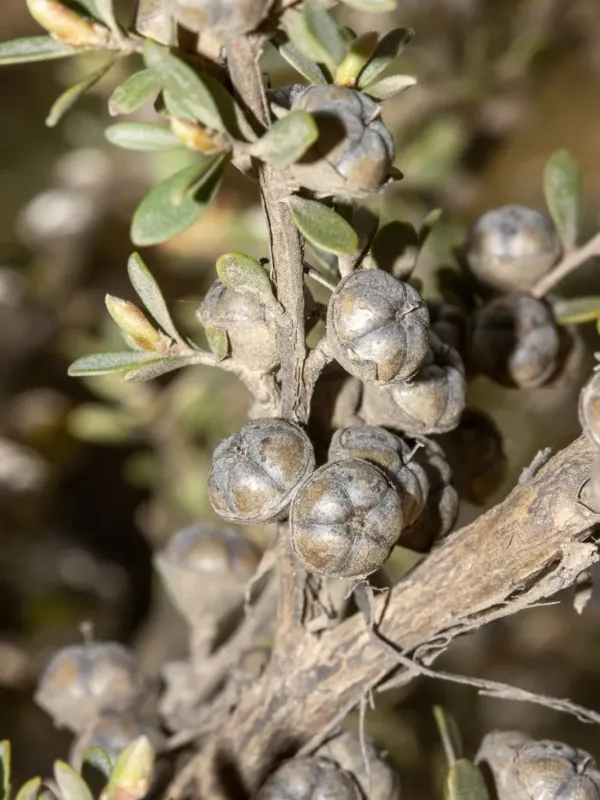
Leptospermum myrtifolium is a member of the Myrtaceae family, native to the Australian continent. It is an evergreen shrub characterized by its dense foliage and fine-textured leaves, often used for ornamental purposes.
Propagation is typically done through seeds sown in spring or through semi-hardwood cuttings taken in late summer. For seeds, use a well-draining, acidic sandy mix and keep it moist until germination.
When propagating by cuttings, use rooting hormones to encourage faster growth. Maintain a temperature range of 20–22°C and provide high humidity to ensure the cuttings establish their roots successfully.
Seedlings are delicate and should be grown in individual containers to minimize root disturbance during transplanting. Proper spacing is crucial to allow air circulation and prevent fungal growth.
Young plants require consistent monitoring for moisture levels, as they are sensitive to both drought and waterlogging during their early development stages.
Growing requirements
This species thrives in sunny, sheltered locations. It prefers a climate that is warm but avoids extreme, drying winds which can scorch the foliage of the shrub.
Soil quality is of primary importance; it must be acidic, as the plant is highly sensitive to limestone and alkaline conditions, which prevent nutrient uptake.
Watering requirements are moderate. The root zone should be kept evenly moist, but excellent drainage is mandatory to prevent the development of root diseases.
Mulching with pine bark or needle litter is recommended to retain soil moisture and maintain the required acidic soil environment for healthy growth.
Fertilization should be handled with care, using specific fertilizers for acid-loving plants to ensure all micronutrients, especially iron, are available to the plant.
Main diseases and pests
Spider mites are the most common pests affecting Leptospermum myrtifolium, especially when grown in dry conditions. They suck sap from the leaves, causing them to yellow and drop.
Root rot caused by Phytophthora species is a serious threat in waterlogged soils. This often occurs when drainage is insufficient or when the soil is too compact.
Prevention relies on good sanitation, including the removal of dead leaves from the base of the plant and ensuring adequate ventilation to dry the foliage quickly.
If infestations occur, systemic insecticides or horticultural oils should be applied according to label instructions to minimize damage to the shrub.
Regular inspection of the undersides of the leaves is advised to detect pest populations early, before they become a major problem for the plant's vitality.