
Leptospermum morrisonii
Leptospermum morrisonii
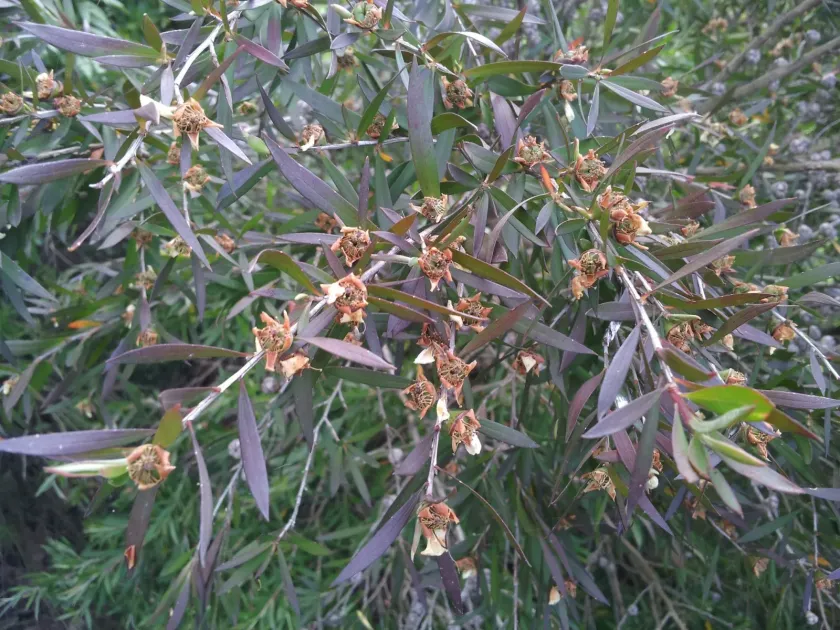
Description
Sowing dates
Propagation of Leptospermum morrisonii is primarily done via seeds, which are extremely small and require a specialized shallow sowing technique.
The ideal time for sowing is during early spring, allowing the plants to establish a robust root system before the heat of summer arrives.
A well-draining, acidic, and sandy soil mix is essential for the seeds to germinate successfully and avoid fungal contamination during the process.
The containers must be kept in a humid environment, often covered with transparent plastic, to provide the consistent moisture levels required by the seeds.
Once the seedlings develop at least two sets of true leaves, they should be carefully transplanted into individual pots to facilitate further growth.
Growing requirements
As a member of the Myrtaceae family native to Australia, this shrub thrives best in bright, full-sun locations with excellent air circulation.
Soil requirements are strict: the medium must be highly permeable, slightly acidic, and devoid of excessive lime, which is toxic to the roots.
Leptospermum morrisonii is sensitive to extreme frosts, and in temperate climates, it is best grown in containers moved indoors during winter.
Watering should be consistent but cautious; allow the top layer of the soil to dry out slightly between waterings to prevent root rotting.
Pruning is a critical maintenance practice that helps maintain the desired shape and encourages dense foliage growth throughout the season.
Yield
The primary utility of Leptospermum morrisonii is ornamental, valued for its striking bronze-colored foliage and aesthetic appeal in landscape designs.
It is frequently incorporated into garden borders and rockeries, providing color contrast and seasonal interest through its floral display.
Professional florists utilize the branches for high-end arrangements, as the foliage is long-lasting and maintains its shape well after cutting.
The yield of quality planting stock is maximized through precise greenhouse management, including regulated fertilizer applications and climate control.
In addition to decorative uses, the essential oils found within the leaves offer potential applications in the aromatherapy and fragrance sectors.
Main diseases and pests
Spider mites are the most common pest, especially in indoor environments with low humidity, and they can cause significant foliage damage.
Root rot is the most prevalent threat, occurring mainly due to poor soil drainage or excessive watering that creates anaerobic conditions.
Integrated pest management, including regular inspection and the use of targeted treatments, is essential for maintaining plant health.
Prevention involves ensuring adequate airflow around the plant canopy and utilizing sterilized growing media to eliminate soil-borne pathogens.
Nutrient imbalances, particularly iron deficiency, can manifest as chlorosis on young leaves if the soil pH becomes too alkaline.