
Leptospermum juniperinum
Leptospermum juniperinum
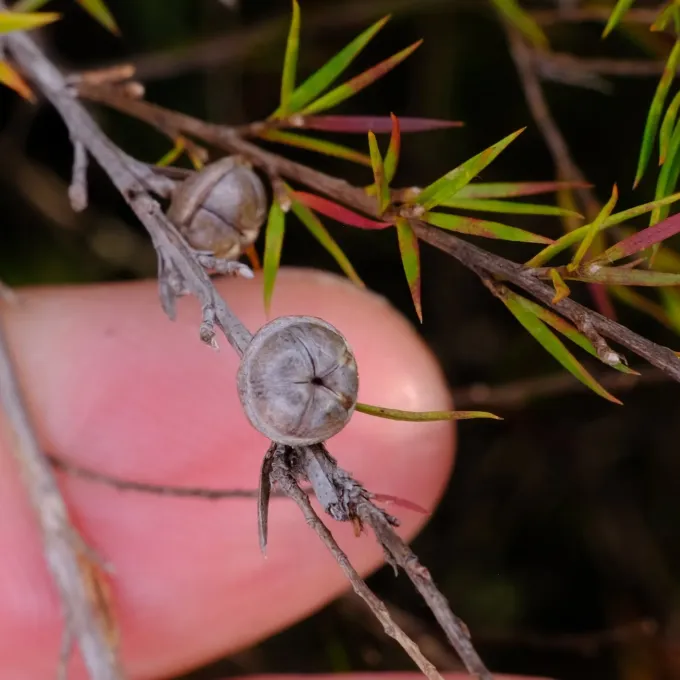
Description
Growing requirements
Leptospermum juniperinum, belonging to the Myrtaceae family, is a hardy evergreen shrub native to eastern Australia. Its common name, juniper-leaved tea tree, reflects the narrow, prickly foliage that resembles juniper needles, making it an excellent candidate for ornamental landscaping.
The plant thrives in full sun, which is essential for healthy foliage density and robust flower production. In its natural habitat, it adapts well to various soil types, from sandy heathlands to moist woodland borders, but it specifically prefers acidic soils with excellent drainage.
Climate requirements for this species are strict regarding frost tolerance. While it can withstand light frosts, it is not hardy in severe winter conditions. Therefore, in temperate regions, it is primarily managed as a container plant and brought indoors during the cold season.
Water management is a key aspect of its agronomy. While it appreciates constant moisture, it strictly requires a well-aerated root zone. Overwatering is the most common cause of failure in containerized crops, leading to irreversible root damage.
Maintenance pruning is necessary to maintain a compact and aesthetic shape. Pruning should be performed immediately after the flowering season to encourage new growth and prepare the plant for the following season's cycle.
Main diseases and pests
Phytophthora root rot is the most significant threat to Leptospermum juniperinum. This soil-borne pathogen flourishes in waterlogged soils, attacking the root system and causing sudden wilting and eventual death of the entire plant.
Spider mites are common pests that thrive in the dry, warm environments often found indoors. They pierce the foliage to feed on cell sap, leading to stunted growth, discoloration of the leaves, and an unsightly appearance.
Mealybugs can also infest the stems and leaf axils, producing a waxy secretion that protects them from some contact insecticides. Regular inspection and systemic treatments are recommended to manage these infestations effectively.
Fungal leaf spot can develop if the plant is kept in high humidity with poor air circulation. Improving ventilation around the shrub and keeping the foliage dry are effective preventative measures against such outbreaks.
Integrated pest management, including monitoring and biological control, is highly recommended over broad-spectrum pesticide use. Maintaining plant vigor through proper fertilization and watering is the best defense against both diseases and pests.